
Top Cameras for Every Budget: Best Picks for 2025 makes it easy for you to match features to your budget, whether you’re hunting for a bargain under $300 or chasing the latest pro-level gear. You’ll find clear recommendations, used and new options, and friendly notes on standout bodies like the Sony A7IV and Fujifilm X-H2.
The article is organized by price buckets — under $300, under $600, under $1000, under $1500, under $2500, and a “Money Is No Object” section — with timestamps so you can jump to the segment that fits your needs. Expect coverage of models such as the Sony A5000, Canon M50, Panasonic GH5, Fujifilm X-T series, Canon R8, Sony A7C, and mentions of upcoming Sigma lenses.
Under $300 Picks
You can get surprising value under $300 if you’re willing to buy used and patient about condition; these cameras aren’t going to change your life the way a new flagship might, but they’ll give you a real taste of photography and a way to learn without guilt.
Best budget used options such as SONY A5000 [used] and what to expect from a used purchase
The SONY A5000 used is emblematic of this tier: compact, light, and serviceable for daylight shooting and travel snapshots, but expect wear like scuffs, a shorter battery life, and older autofocus that can be slow in dim conditions; you’re buying function and learning potential more than future-proofed tech.
Key strengths for beginners: compact size, basic autofocus, and simple controls
These cameras reward you with simplicity: small bodies that don’t intimidate, autofocus that’s generally good enough for family photos and street work, and menus that don’t bury you — which means you actually pick the camera up and use it, and that matters more than specs.
Limitations: sensor size, low-light performance, and lack of modern features
You’ll notice the limits quickly when light drops or you try to push ISO; smaller or older sensors and lack of image stabilization mean more noise and less latitude for editing, and you won’t find modern conveniences like high-res EVFs or advanced subject tracking.
Who this is for: casual shooters, first-time camera buyers, and gift ideas
If you take photos for holidays, social posts, or simply want to learn the basics without a big outlay, this bracket fits you: it’s also a thoughtful gift for someone curious about photography who might be overwhelmed by newer, more complex systems.
Where to buy used safely and what to check on inspection (shutter count, sensor condition, accessories)
Buy from reputable sellers that offer returns, inspect shutter count, check the sensor for spots and the screen for scratches, verify autofocus and buttons work, and ensure essential accessories like a battery and charger are included — these checks save you grief later.
Under $600 Picks
At this level you can start to find more modern entry-level mirrorless models that handle a wider range of situations and start to feel like cameras you might keep for years if you’re careful about lenses and care.
Strong used and refurb options including CANON M50 [used] and older FUJIFILM X-T1/X-T2
The CANON M50 used gives you approachable ergonomics and decent autofocus for its era, while FUJIFILM X-T1 and X-T2 used bring beautiful color rendering and tactile controls; refurbished units often come with limited warranties, making them safer bets than casual marketplace finds.
Comparison of entry-level mirrorless models: image quality, ergonomics, and lens ecosystems
Image quality improves here, ergonomics become more considered with better grips and dials, and lens ecosystems matter: Canon’s and Fujifilm’s mounts start to show real depth, which means lenses you buy now could serve you for years and shape the kind of photography you do.
Recommended lenses and kits to maximize value for this budget
Look for versatile kits: a modest zoom like 18–55 or 16–50 plus a fast prime such as a 35mm or 50mm equivalent will cover travel and portraits; buying a used kit with a couple of lenses often gives more practical value than a bare body.
Common trade-offs at this price range: EVF quality, burst speed, and video specs
You’ll trade away high-res EVFs, fast continuous shooting, and cutting-edge video codecs; these cameras are competent but not relentless — they’ll handle family soccer and simple vlogs, but intense action or professional video work will expose their limits.
Buying tips: firmware updates, battery life checks, and accessory bundles to prioritize
Check that the camera has the latest firmware, ask about battery health and original charger, prioritize bundles that include extra batteries and a case, and consider buying from sellers who will verify shutter count and return options.
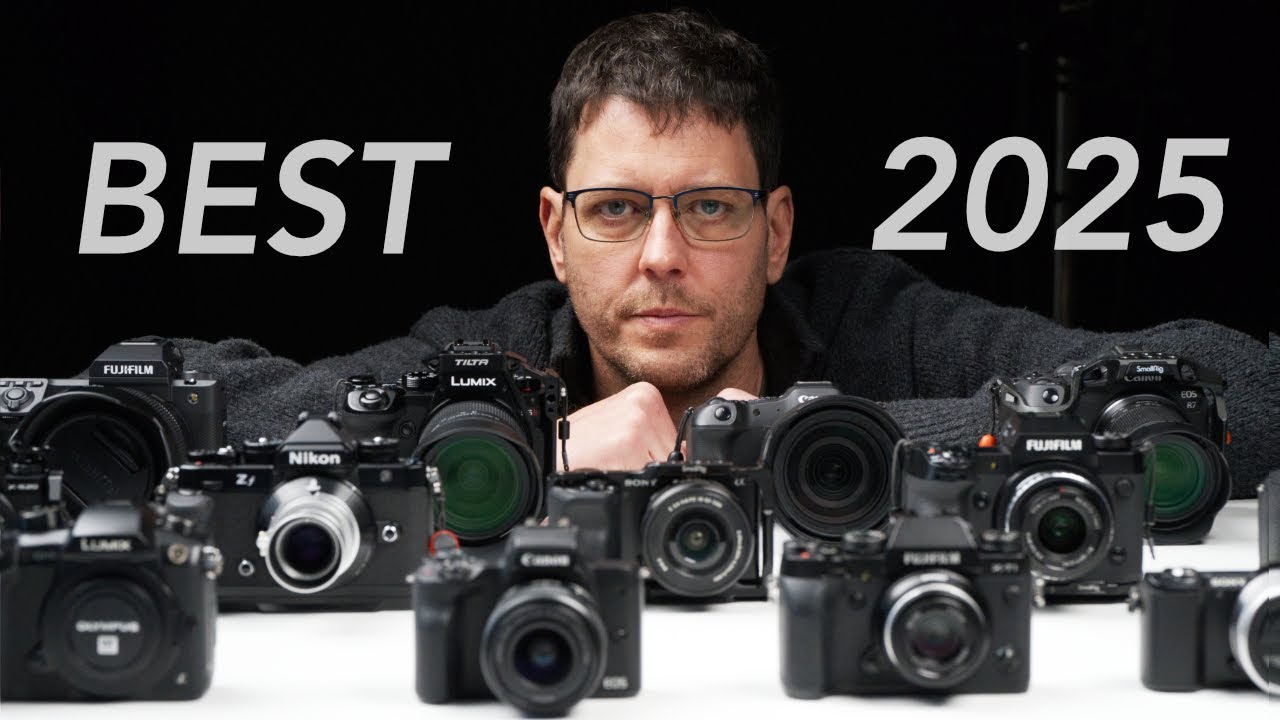
This image is property of i.ytimg.com.
Under $1000 Picks
Here you enter a sweet spot where hobbyists often buy a camera that sticks: better autofocus, stronger video features, and bodies built to withstand more frequent use.
Top contenders for 2025 in this range including PANASONIC LUMIX GH5 [used] and FUJIFILM X-T3
The PANASONIC LUMIX GH5 used brings class-leading video features for Micro Four Thirds, while the FUJIFILM X-T3 provides compelling stills and film-simulation color; both are credible, feature-rich choices that remain useful in 2025.
Why this tier is sweet spot for hobbyists: better autofocus, more advanced video, and weather sealing options
You get meaningful upgrades: faster AF, improved subject tracking, in-body stabilization in some models, and weather sealing that lets you shoot through rain or dust; the result is a camera that’s flexible for projects and travel alike.
Recommended lenses and kit configurations to cover travel and portraits
Pair mid-range bodies with a fast standard prime for portraits (35/50mm equivalents) and a versatile zoom like a 12–60 or 24–105 equivalent for travel; this combination covers low-light portraits, landscapes, and general shooting without breaking the bank.
Comparative pros and cons: APS-C vs Micro Four Thirds vs older full-frame used options
APS-C gives a balance of image quality and lens size, Micro Four Thirds excels in compact systems and video stabilization, and older full-frame used options deliver better dynamic range but often at the cost of autofocus speed and heavier lenses.
How to evaluate used higher-end bodies and warranty/return policies
Demand clear shutter counts, test AF and IBIS, inspect mounts for wear, and prefer sellers offering short return windows or manufacturer-refurbished units with warranty; used higher-end bodies are worthwhile if you can confirm condition.
Under $1500 Picks
This bracket begins to bridge enthusiast features with approachable price, and you’ll see modern designs alongside used higher-tier models that still offer serious capability.
Best options including CANON R50, used higher-tier models, and feature-rich APS-C mirrorless cameras
The CANON R50 is an example of a newer, compact hybrid aimed at creators, while used higher-tier models and certain APS-C bodies in this range give you better AF systems, improved video, and often a more refined user experience.
Strengths in this category: improved AF systems, 4K video, better IBIS, and build quality
Expect more sophisticated autofocus, solid 4K recording (sometimes with better frame-rate options), reliable IBIS on select bodies, and build quality that survives daily use — features that make this a natural step up for vloggers and committed hobbyists.
Recommended lenses and third-party options (note on MORE SIGMA LENSES COMING IN 2024-2025)
Consider pairing bodies with sharp, affordable third-party lenses — Sigma and others have been expanding their options across mounts, which increases your choices for fast primes and versatile zooms that won’t cost as much as brand-name glass.
Who benefits most: enthusiast photographers, vloggers upgrading from entry-level gear
You’re likely to benefit if you already know your preferred genres and want a camera that improves the technical side without being overly complex: vloggers will appreciate articulating screens and mic inputs, and hobbyists will value better AF and build.
Alternate considerations and honourable mentions for specific needs
If you prioritize portability, look for compact full-frame options at the high end of this range or stick with APS-C for lighter lenses; honourable mentions include older high-end bodies that may appear used or refurbished for similar prices and could be perfect for specific workflows.
Under $2500 Picks
Now you’re into cameras that serve hybrid creators and serious enthusiasts — compact full-frame options and advanced APS-C bodies that bring modern AF, video, and image quality together.
Top picks including SONY A7C, CANON R8, and FUJIFILM X-S20
The SONY A7C offers small-form full-frame practicality, the CANON R8 gives you modern autofocus and ergonomics at reasonable cost, and the FUJIFILM X-S20 is a strong hybrid with great color and vlogging features; these are the kind of bodies you can invest time and lenses in.
Why these models appeal: compact full-frame options, strong video specs, and modern AF
They appeal because they balance image quality with portability, deliver pragmatic video tools like clean 4K and log profiles, and have autofocus systems that reliably track faces and eyes, which means you spend less time fiddling and more time creating.
Suggested lens pairings for portraits, landscapes, and hybrid use
For portraits, reach for a 50–85mm equivalent fast prime; for landscapes, a sharp wide-angle or a 16–35 equivalent; for hybrid work, a standard zoom plus a lightweight fast prime gives you both framing flexibility and pleasing background separation.
Differences between mirrorless full-frame bodies at this price point
Differences show up in buffer life, heat management in long video takes, EVF resolution, and native lens availability; some bodies favor photographers with high-res sensors, others prioritize video ergonomics and battery life.
Financing, trade-in strategies, and where to get the best bundles
If you’re stretching budget, explore trade-ins that lower cost, look for seasonal bundles that include lenses or accessories, and consider short financing plans if it helps you access a body that’ll be used daily and justify the expense.
Money Is No Object
When cost fades, you’re buying reliability, longevity, and subtle quality advantages that matter in demanding work: sustained performance, deeper color rendering, and tools that keep up with professional workflows.
Flagship models to consider in 2025 such as SONY A7IV, FUJIFILM X-H2 and highest-end bodies
The SONY A7IV and FUJIFILM X-H2 are examples of flagship-level features: superior dynamic range, strong continuous AF, and video performance that suits client work, editorial shoots, and demanding creative projects where every detail counts.
What top-tier cameras buy you: dynamic range, professional AF, sustained high-res shooting and superior video
You’re buying headroom: cleaner high-ISO performance, reliable autofocus for fast action and studio tethering, larger buffers for high-res bursts, and thermal and power management that let you record longer with confidence.
Ideal use cases: commercial work, full-time content creators, and studio professionals
If you’re producing commissioned work, running a content business, or shooting studio sessions regularly, pro-level gear reduces friction, improves client deliverables, and gives you technical consistency across projects.
Premium lenses and accessories to pair with these bodies for maximum performance
Pair flags with fast primes, professional zooms, and stabilized designs; prioritize quality tripods, reliable audio kits, and studio lighting to complement the body — the lens often defines the final image more than the camera.
Considerations about depreciation and whether pro-level gear is a smart investment
Pro gear depreciates, but if you earn with it or rely on it daily, it’s an investment in efficiency and quality; otherwise, think about resale value, longevity of the mount, and whether pro features will actually change your creative output.
Best Used Camera Deals and What to Look For
Hunting used deals is both practical and satisfying; you save money but you also need a methodical approach so the savings don’t evaporate into unexpected repairs or disappointment.
Top used models worth hunting: PANASONIC LUMIX GH5 [used], OLYMPUS OM-D E-M1 [used], and FUJIFILM X-T1/X-T2 [used]
These models are excellent value: GH5 for video, OM-D E-M1 for ruggedness and stabilization, and Fuji X-T1/X-T2 for color and tactile control — they often appear at good prices and retain useful features years after release.
Inspection checklist: shutter count, sensor spots, mechanical wear, and screen/VF condition
Always ask for shutter count, look for sensor spots in photos of plain skies, check that dials and lens mounts aren’t loose, and make sure the screen and viewfinder are clear — small defects can signal larger issues.
How to assess seller credibility on marketplace sites and return policy importance
Check seller ratings, read reviews, prefer stores with return policies or short warranty windows, and be cautious of deals that seem too good to be true; seller transparency about condition is a good sign.
Warranty options for used gear including manufacturer refurb programs
Manufacturer-refurbished units often come with limited warranties and are generally safer than private sales; some third-party retailers also offer graded used gear with short guarantees that can save you stress.
Price negotiation tips and seasonal buying windows for the best deals
Negotiate politely, point out issues like missing accessories or cosmetic wear, and watch seasonal windows like Black Friday or camera industry refresh cycles when older models drop in price and sellers are more willing to move inventory.
Best Mirrorless Picks by Use Case
Choosing a camera is less about the absolute best and more about the right tool for what you do; lens ecosystem, handling, and features for your specific workflow matter far more than headline specs.
Travel and compact full-frame: SONY A7C and lightweight alternatives
If you travel and want full-frame quality without bulk, the SONY A7C and similar compact full-frame bodies give you pleasing depth of field and low-light performance while keeping luggage reasonable; consider lens size when planning trips.
Vlogging and hybrid creators: Canon R50, FUJIFILM X-S20 and features to prioritize (articulating screen, mic input)
For vlogging prioritize articulating screens, mic and headphone jacks, good autofocus on faces and eyes, and manageable thermal behavior; the Canon R50 and FUJIFILM X-S20 are strong contenders for creators balancing stills and video.
Studio and portrait work: cameras with reliable color science and lens selection
Studio work favors predictable color, tethering support, and access to high-quality portrait lenses; pick systems where you can invest in a couple of superb primes, because lens character often defines portraits more than sensor count.
Action and wildlife: burst rates, AF tracking, and bodies that balance cost and performance
For action you need fast burst rates, reliable AF tracking, and lenses that focus quickly; balance these needs against budget — sometimes an APS-C body with a fast telephoto is a smarter choice than an expensive full-frame setup.
Choosing between APS-C, Micro Four Thirds, and full-frame for your creative needs
Choose APS-C for a compromise between quality and size, Micro Four Thirds for portability and stabilization, and full-frame if low-light performance and shallow depth of field are priorities; match the system to your workflow rather than fashion.
Best DSLR and Legacy Options
DSLRs and legacy glass remain compelling because they offer robust optics and often exceptional value, and adapting older lenses can give your work a look and feeling that new gear doesn’t always replicate.
Why some photographers still choose DSLRs or legacy glass from brands like Canon and Nikon
You might choose DSLR or legacy glass for tactile controls, battery life, optical character, and the pleasure of working with manual lenses that force you to slow down and think about composition in a different register.
Recommended legacy bodies and lenses for budget-focused shooters and collectors
Look for solid old bodies like Canon 5D Mark II derivatives or Nikon DSLRs paired with classic primes — they’re durable, offer full-frame sensors in some models, and paired with older lenses often deliver beautiful results at low cost.
Adapting old lenses to modern mirrorless bodies and what to expect in performance
Adapters make old lenses usable on modern mirrorless bodies; expect manual focus, possible crop-factor considerations, and unique optical quirks; sometimes those quirks are exactly why you want a particular lens.
Use cases where a DSLR or older mirrorless might be preferable
DSLRs still make sense for long shoots where battery life matters, for photographers on a strict budget who can accept older AF systems, or for collectors and enthusiasts who love the tactile relationship with older gear.
Where to source and how to verify authenticity of vintage gear
Source from reputable dealers, check serial numbers, inspect mount threads and lens coatings, and ask for test shots; vintage gear authenticity and condition matter as much as origin, so do your homework.
Conclusion
You can find a capable camera at almost any price point if you’re clear about what you need, what you’re willing to compromise on, and how you plan to grow as a photographer; the right choice will encourage you to shoot more, which is the point.
Summary of best picks by budget and recommended use-cases
Under $300 gets you compact, learnable cameras like the SONY A5000 used; under $600 opens modern entry-level mirrorless like CANON M50 used and FUJI X-T1/X-T2 used; under $1000 brings GH5 used and X-T3; under $1500 buys robust APS-C and R50-class hybrids; under $2500 lands you compact full-frame options like SONY A7C, CANON R8, and FUJIFILM X-S20; money-is-no-object brings SONY A7IV and FUJIFILM X-H2.
Final buying checklist to match needs, budget, and future plans
Match the camera to your primary use, check lenses available for the mount, prioritize ergonomics and battery life, inspect used condition carefully, and consider resale value and upgrade paths when deciding.
Advice on testing gear in person, checking returns/warranty, and buying used responsibly
Always test gear in person if possible, confirm return policies and warranties on used purchases, be honest with sellers about condition, and avoid impulsive buys — a short waiting period usually saves you regret.
Encouragement to prioritize lenses and accessories that will serve long-term
Treat lenses as long-term investments: a few good primes and a versatile zoom will outlast camera bodies and change how you see light and composition; prioritize batteries, cards, and a reliable strap too.
Invitation to revisit choices as new models and firmware updates arrive through 2025
Cameras evolve, firmware improves features, and new lenses appear — revisit your choices regularly, read updates, and don’t feel bound to one decision forever; photography is a practice, and your gear should support the joy of making pictures rather than define it.