
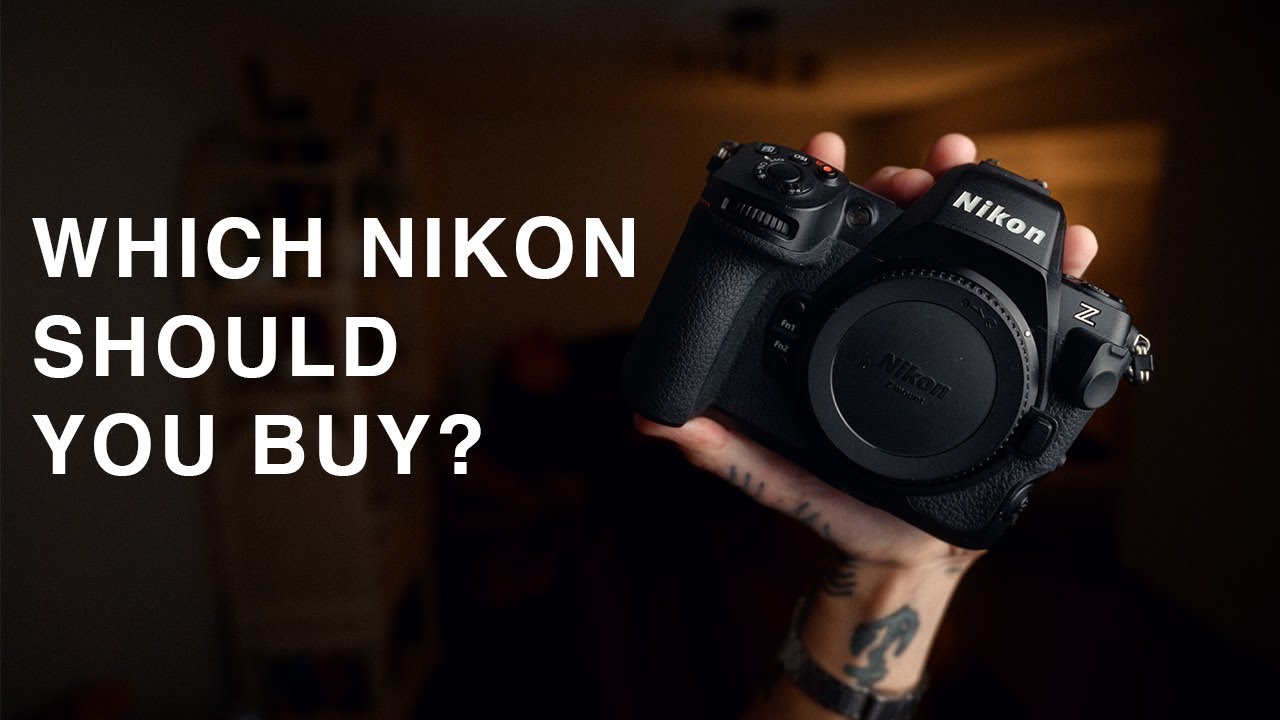
Nikon Buyer’s Guide to Choosing the Right Camera for Every Genre by Chris Tellez gives you clear, practical recommendations on current Nikon models and accessories so you can pick the best body for portrait, landscape, wildlife, and more. You’ll also find presets on sale (use code CT25) and an honest note that some product links are affiliate, meaning Chris may earn a small commission at no extra cost to you.
The content is organized into short chapters covering portrait, landscape, wildlife, street, documentary, fashion, architecture, event, macro, travel, wedding, astro, and video, with gear examples and buying tips tailored to each genre. Use the chapter times to jump to the genres that match your shooting style and apply the recommendations to fit your budget and creative goals.
Sensor Format and Body Size Considerations
You should think about sensor format and body size as a set of compromises you live with, like deciding which room in a flat to accept as yours. Each choice shapes what you can do and how you work without ceremony.
Full-frame (FX) versus APS-C (DX): practical tradeoffs for depth of field, low-light, reach and cost
When you choose FX, you get shallower depth of field and better low-light performance for a given aperture and ISO, which feels indulgent and useful for portraits and night work; DX gives you extra reach from the same lens, lower cost, and smaller bodies that are kinder on long days, but you accept more noise and a slightly different look.
How sensor size affects lens choice, field of view and crop factor
Sensor size changes everything about framing: on DX your 50mm behaves like a short tele, which is practical if you need reach, whereas FX gives the classic field of view and lens rendering; you will choose lenses with the crop factor in mind, balancing focal length and perspective.
Body size and handling: pro bodies versus compact travel options
Pro bodies feel like tools meant to be gripped and relied on for hours; they give weather sealing, extra controls, and heft that steadies your hand. Compact travel bodies are comfortable, less imposing in public, and remind you to travel light when you want to move freely.
Weight, battery life and heat management for long shoots
You should measure a kit by how it wears on your body after eight hours — batteries, card capacity and heat management matter as much as megapixels. Bigger bodies usually have better battery life and heat handling; smaller ones force you to plan swaps and power solutions.
When to prioritize resolution versus high-ISO performance
Prioritize resolution if you make large prints, crop a lot, or sell commercial work; prioritize high-ISO performance if you shoot events, weddings, or astrophotography where low light rules and clean files at 3200–12800 ISO are non-negotiable.
Understanding the Nikon Z System and Lenses
The Z system asks you to think ahead; its mount and native glass feel like a promise about optical potential, but you will still sometimes reach for older F lenses and adapters when they serve you better.
Overview of the Z mount advantages: larger throat, faster lenses and optical potential
The Z mount’s wider throat lets designers make faster lenses with different optical formulas, which translates to smoother bokeh, more compact fast primes and the sense that the system is built to push optical boundaries rather than repeat old compromises.
Using F-mount glass with FTZ adapter: compatibility, AF performance and tradeoffs
If you already own F-mount glass, the FTZ adapter makes it usable and lets you amortize past purchases; AF generally remains reliable, though the best speed and focus accuracy often favor native Z lenses, so weigh convenience against peak performance.
Native Z lenses you should know: primes, zooms and specialty optics
You should acquaint yourself with the native Z primes for portraits and low light, the high-quality zooms that cover daily work, and specialty lenses like macros and tilt-shifts; these often deliver the system’s best optical signatures and autofocus refinements.
Third-party lens options and when they make sense
Third-party lenses can be cost-effective, provide unusual focal lengths, or offer compelling aperture-to-price ratios; choose them if they fill a gap, match your priorities, and come from makers with good AF firmware and support for the Z mount.
Future-proofing: choosing mounts and lenses for long-term investment
Think of lenses as longer-term investments than bodies: if you intend to keep a system, prioritize native Z glass that will exploit future bodies’ sensors and AF. If you value flexibility, keep a core of high-quality primes that retain value and usefulness.
This image is property of i.ytimg.com.
Autofocus, Frame Rates, and Stabilization
Autofocus and stabilization are not flashy specs; they’re the parts of your kit that quietly determine how much usable work you come home with after a long, messy day.
AF systems explained: phase-detect on-sensor, subject detection and eye/animal/vehicle tracking
On-sensor phase-detect AF gives speed and coverage; subject detection layers intelligence that recognizes faces, eyes, animals or vehicles. You should know these modes and how to prioritize them for a shoot — they’ll save you more time than any extra megapixel.
Choosing the right AF performance for moving subjects versus static subjects
For moving subjects you want continuous AF, wide AF area and tracking tuned to subject type; for static subjects, single-point AF and focus peaking (if you use manual lenses) give precision and predictability. Match AF mode to motion and you reduce throwaway frames.
Continuous shooting speed: when fps matters and how buffer and card speed affect results
High frames-per-second matters when decisive moments are unpredictable — sports, wildlife, kids — but buffer depth and card write speed determine how long you can sustain a burst. If you shoot long sequences, don’t skimp on fast cards and a body with a healthy buffer.
In-body image stabilization (IBIS) benefits for handholding and video
IBIS steadies handheld stills and video, letting you shoot slower shutter speeds without blur and often saving you from carrying tripods. For video, IBIS produces smoother movement; for stills, it can be transformational for low-light handheld work.
Lens stabilization versus IBIS: when both help and how they interact
When lens stabilization and IBIS are both present, they coordinate to deliver better results, especially at long focal lengths or when panning. You should understand when to allow both to operate and when to prefer one system for a particular shooting style.
Image Quality, Resolution, and ISO Performance
Image quality feels like a promise you make to yourself: good files give you options later, whether you need to grade, retouch or crop. Know what to push and what to preserve.
Resolution tradeoffs: large megapixels for cropping and prints versus noise in low light
High megapixels let you crop aggressively and print large, but they can emphasize noise and demand sharper technique and better lenses; if you often shoot low light, consider whether noise behavior matters more than sheer resolution.
Dynamic range considerations for landscape and high-contrast scenes
Dynamic range determines how much highlight and shadow detail you can retain. For landscapes and contrasty scenes prioritize bodies with wide DR to preserve textures and avoid clipped skies; you’ll rely on it heavily for bracketed or single-exposure work.
High-ISO behavior for weddings, events and astrophotography
High-ISO performance is essential where you can’t control light: events, weddings and astrophotography demand clean files at higher ISOs so you can keep usable shutter speeds and apertures while retaining color and detail.
Raw bit depth and color fidelity: what matters for professional retouching
Higher raw bit depth and accurate color reproduction give more headroom for grading and skin-tone work; if you plan heavy retouching or commercial color-critical tasks, favor cameras with 14-bit or better raw and consistent color science.
Practical settings to maximize image quality in-camera
Use base ISO when possible, expose to the right to preserve shadow detail, shoot raw, disable heavy in-camera processing for critical work, and choose custom picture controls that give you predictable starting points for post.
Lenses and Recommended Nikkor Options
Lenses make the sound of your images. Choose them for the look you want, the genres you work in, and the practicalities of weight and budget.
Essential focal lengths by genre: wide, standard, short tele and long tele
For general work keep a wide (16–35mm), standard (24–50mm), short tele (85–135mm) and long tele (200–600mm or similar) as your core. Each focal length gives you a different relationship to your subject and a different problem to solve.
Portrait lenses: typical primes and fast zoom recommendations
For portraits rely on 85mm or 105mm primes for flattering compression and shallow depth, and fast short-tele zooms (70–200mm f/2.8) when you need flexibility; fast primes often give the most pleasing bokeh and skin rendering.
Landscape lenses: ultra-wide and high-resolution zooms and primes
Choose ultra-wides for immersive vistas and high-resolution zooms or primes with strong edge-to-edge sharpness for landscape work; weather sealing and minimal distortion are conveniences you’ll appreciate when conditions are not ideal.
Wildlife and sports telephoto options and teleconverters
For wildlife and sports you need reach: 300mm, 400mm, 500mm, and 600mm options form the backbone, sometimes augmented by teleconverters that add reach at the expense of aperture and AF speed, but which often make the difference between a keeper and a regret.
Macro and close-focus optics: working distance, 1:1 and focus stacking support
Macro lenses vary by working distance and magnification; choose 1:1 optics for true macro, longer working distances for skittish subjects, and lenses or bodies that play nicely with focus stacking if you plan high-resolution close-ups.
Accessories, Workflow, and Editing
Your accessory kit and workflow decide whether a good day of shooting becomes a good set of deliverables or a disorganized heap of files and missed backups.
Essential accessories: batteries, memory cards, straps, and protective gear
Always carry spare batteries and fast, reliable cards; a comfortable strap or harness matters more than fashion, and protective gear — weather covers, lens caps, and a modest camera bag — keeps you shooting when things get complicated.
Tripods, heads and support gear: choosing for stability and portability
Pick a tripod and head that match your work: carbon legs for travel, heavier columns for studio stability; a smooth tripod head for video and a sturdy ball or gimbal head for wildlife, balancing portability against the need for absolute steadiness.
Filters and hoods: polarizers, ND filters and when to use them
Use polarizers to control reflections and deepen skies, NDs for long exposures and creative motion blur, and lens hoods to prevent flare and protect front elements; good filters are subtle tools that extend what your lens can do.
Tethering, backup strategy and card management on shoots
Tether when you need immediate feedback or client approval; use a two-card backup strategy for redundancy, offload to redundant portable drives when possible, and label cards clearly to avoid losing work in the shuffle of a busy day.
Post-processing workflow: RAW converters, presets (like CT presets), and cataloguing best practices
Establish a consistent raw-conversion and cataloguing workflow: pick a primary converter, build a base set of presets for speed, and maintain a logical folder and keyword system so you can find work quickly and ensure edits remain non-destructive and reproducible.
Budget Tiers and Buying Strategies
You should let your budget define practical tiers rather than dictate creative limits; thoughtful buying is both strategic and forgiving of inevitable upgrades.
Entry-level to enthusiast options: value bodies and starter lens kits
Entry-level bodies now deliver impressive image quality and AF; combine them with a versatile kit zoom and a fast prime to cover most needs. This approach keeps costs low while teaching you which focal lengths and features you actually use.
Mid-range choices for hybrid shooters: balancing features and cost
Mid-range bodies offer better AF, IBIS, and build quality without the weight of pro gear; they’re ideal if you shoot both stills and video and need reliable performance for client work without the full pro price tag.
Pro-level investments: when to buy flagship bodies and top glass
Buy flagship bodies and top glass when your work demands every advantage — reliability, extreme weather sealing, maximum AF performance, and the best image quality. Think of these purchases as investments in your ability to deliver under pressure.
Buying new versus used: inspection checklist, warranty and seller reputation
Buying used can give you access to better lenses and bodies for less money; inspect for mechanical and electronic issues, check shutter count, ensure glass is clean and free of fungus, and prefer reputable sellers or bodies with remaining warranty.
Timing purchases: model cycles, seasonal sales and bundle deals
Time purchases around model cycles and seasonal sales to get the best value; if a new body is imminent, a last-generation model often drops in price, and bundling lenses or accessories can meaningfully reduce overall cost.
Choosing for Portrait Photography
Portrait work is intimate and technical: skin, eyes and light matter, and your gear should get out of the way so you can attend to people.
Key camera features for portraits: resolution, AF eye detection and skin-tones
Prioritize resolution for retouching and cropping, best-in-class eye-detection AF for consistent sharpness on eyes, and camera color profiles that render skin tones pleasingly and predictably, because those subtleties often define the final look.
Recommended Nikon bodies for portraits based on budget and style (high-res and flattering color)
If you want high-res studio portraits choose a high-megapixel Z body for ultimate detail; mid-range Z bodies deliver flattering color and great AF for environmental portraits. Match body choice to whether you prioritize print size or speed and mobility.
Lens suggestions: classic portrait primes and short tele zooms for compression
Favor classic 85mm or 105mm primes for headshots and flattering compression, and a 70–200mm f/2.8 for flexible on-location work; these lenses give you control over background separation and are forgiving when you need to react quickly.
Studio versus environmental portrait gear differences and lighting considerations
In studio you’ll prioritize tethers, light modifiers and control; environmental work demands portability, faster lenses and flexible lighting like portable strobes or high-quality continuous lights to blend with ambient conditions.
Posing, settings and retouch workflow tips specific to Nikon color profiles
Work with Nikon picture controls as a starting point, expose carefully for skin highlights, and adopt a retouch workflow that respects natural texture: subtle frequency separation, careful dodge and burn, and color grading that keeps skin tones believable.
Choosing for Landscape Photography
Landscape photography rewards patience and gear choices that preserve subtlety: dynamic range, sharpness and weather resilience are central.
What to prioritize: resolution, dynamic range and weather sealing
Prioritize a body with wide dynamic range and high-resolution sensors if you want large prints, and choose weather-sealed lenses and bodies so you can keep shooting in wind, rain and cold without fear.
Recommended Nikon bodies and lenses for high-resolution landscape work
Choose high-resolution Z bodies paired with ultra-wide or high-performing primes and zooms that are sharp corner-to-corner; favor lenses with minimal chromatic aberration and good close-focus if you like foreground detail.
Tripod, remote release, filter and focus stacking techniques
Use a sturdy tripod and a remote release to avoid camera shake, neutral density filters for long exposures, and focus stacking in the field when you want edge-to-edge sharpness that a single exposure can’t provide.
Exposure bracketing and RAW settings for maximum DR recovery
Bracket exposures for scenes with extreme contrast and shoot raw with base ISO for maximum headroom; merge brackets in post to recover shadow and highlight detail without introducing noise or unnatural tonality.
Practical field workflow: backup, GPS, and file management
In the field back up images when you can, use GPS or consistent naming conventions to avoid losing location data, and keep a compact workflow so you can shoot through changing light without administrative friction.
Conclusion
This is the point where you stop reading and start testing, knowing that the right kit is the one you will actually use and carry through the rain.
How to match your primary genre priorities to specific Nikon features and lenses
Map your top three priorities — reach, low-light performance, or resolution — to Nikon features: choose bodies and lenses that solve those problems first, then fill in secondary requirements like weight and weather sealing.
Checklist to help finalize a purchase: features, lenses, budget, and backup plan
Make a checklist: required features, the lens roadmap, total budget, and a backup strategy (extra battery, card redundancy). If all items align, you’re ready; otherwise, adjust until they do.
Final decision framework: buy what solves your top three real-world needs
Buy for what you actually do most of the time, not for what looks impressive on paper; a camera that reliably meets your three main needs will serve you better than one that does everything imperfectly.
Next steps: try hands-on, rent before you buy and test lenses on your chosen body
Try bodies and lenses in person, rent the exact combinations you’re considering, and test autofocus, handling and balance in scenarios that mimic your real shoots before committing financially.
Resources for continuing research: forums, sample galleries and trusted reviewers
Keep researching with sample galleries, reviews, and community feedback to refine choices as new models arrive; stay curious, and let your work, not specs, guide upgrades and investments.