
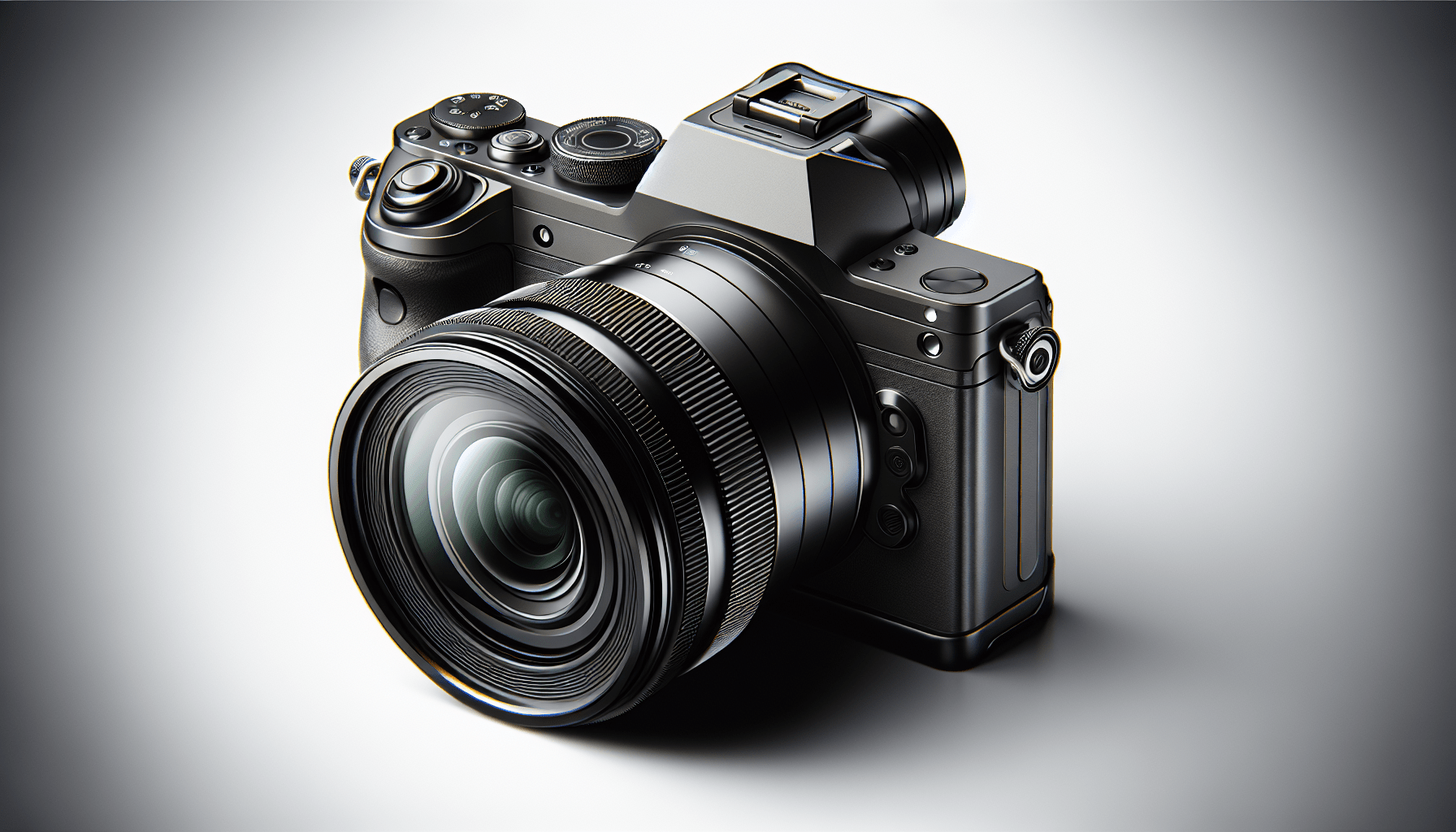
Thinking about getting a new digital camera? This guide is here to help you find the perfect one, whether you’re replacing an old trusty friend or starting fresh. By answering a few key questions about how you’ll use your camera and what features you need, you’ll be on your way to capturing stunning images in no time.
You’ll learn about different types of cameras, from point-and-shoot to high-end models, and what suits various needs. Understanding elements like resolution, memory cards, LCD screens, and battery life will ensure you make an informed decision. Let’s simplify the journey of choosing your next digital camera!
This image is property of i.ytimg.com.
Understanding Your Needs
Purpose of Buying a Digital Camera
When you’re contemplating the purchase of a digital camera, the first question you should ask yourself is, “Why am I buying this camera?” Understanding the purpose guides you in narrowing down the options substantially. Maybe you want to capture beautiful landscapes on your travels, or you might be interested in documenting family gatherings. Are you diving into a hobby or perhaps looking to take professional-grade photographs? Knowing your reason helps set the direction for all other considerations.
Frequency of Usage
How often you plan to use your camera can greatly influence your decision. If you’ll only be using it occasionally, it wouldn’t make sense to invest heavily. On the other hand, if you intend to use it frequently, being on the lookout for a camera that’s durable and equipped with many features might be worthwhile. A camera gathered dust in your drawer is a waste of money, so be honest about how regularly you’ll use it.
Desired Features
Once you’ve nailed down the purpose and frequency, let’s talk about features. Are you looking for a camera with high resolution for crystal-clear photos? Or perhaps you need a robust zoom to capture distant objects? Maybe in-camera editing features are important to you. List out the non-negotiables and the nice-to-haves to get a clearer picture of what you need in a camera.
Budget Constraints
Ah, the budget—everyone’s favorite part of shopping. Establishing your budget early helps you filter out options that are out of your price range. Remember, the most expensive camera isn’t always the best for you. Determine how much you’re willing to invest and try to stick to it. Some great deals offer excellent value without breaking the bank.
Usage for Printing vs. Digital Copy
Do you plan to print your photos or keep them as digital copies? If printing, you’ll need a higher-resolution camera to ensure the print quality is up to par. For digital copies, especially for social media or personal storage, you can afford to go for a camera with slightly lower resolution, which can save you money.
Types of Digital Cameras
Point and Shoot Cameras
Point and shoot cameras are user-friendly and designed for simplicity. They are perfect for those who prefer an easy-to-use camera without the complexity of interchangeable lenses. Often more affordable, these cameras offer decent quality for everyday photography and are ideal for casual photographers. They have a fixed lens and basic settings, making them more convenient for quick snapshots.
Pocket Size Cameras
If portability is your prime concern, pocket size cameras are a great choice. These compact cameras fit easily in your pocket or small bag, allowing you to carry them anywhere. Perfect for travel or spontaneous photography, they offer a good balance of features and size. Despite their compact form, many come with advanced features that let you capture high-quality images effortlessly.
High-End or High Performance Cameras
These cameras are often referred to as DSLRs or mirrorless models and are generally aimed at professional or highly serious amateur photographers. They come loaded with advanced features such as high-resolution sensors, multiple shooting modes, and professional-grade lenses. Though more expensive, they provide unparalleled image quality and versatility, making them a staple for anyone serious about photography.
Key Specifications to Consider
Resolution and Megapixels
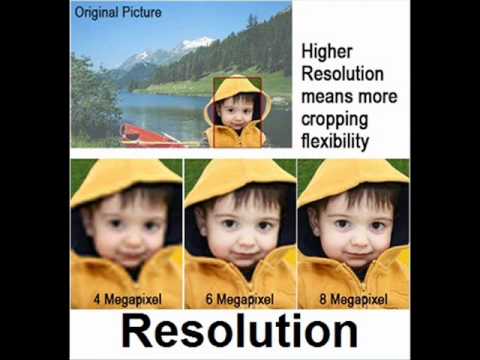
The resolution of a camera, measured in megapixels (MP), plays a critical role in determining the quality of your photos. Higher megapixels allow you to capture more detailed images, which is especially important if you plan to print large photos. However, for online posting or small prints, a lower number of megapixels will suffice and save you some money.
Memory Card Capacity
You definitely don’t want to run out of storage in the middle of an important event. Check the camera’s memory card capacity and make sure it supports high-capacity cards if you take lots of photos. Some cameras even come with dual card slots for additional storage, providing extra peace of mind.
LCD Screen Size and Quality
The LCD screen size and quality influence your ability to review photos immediately after shooting. A larger, higher-resolution screen offers a better preview of your shots, making it easier to assess their quality. Look for screens that are also adjustable or touch-capable for added convenience.
Battery Life and Types
Nothing is worse than your camera dying mid-shoot. Depending on how often and where you’ll be using it, battery life can be a crucial factor. Cameras usually come with rechargeable lithium-ion batteries or AA batteries. Lithium-ion batteries tend to offer a longer lifespan and are more cost-effective in the long run.
Point and Shoot Cameras
Price Range
Point and shoot cameras typically fall into an affordable price range, often between $100 and $500. This makes them accessible for casual photographers or those just starting out. You can find models with great features without breaking the bank.
Ideal Uses
These cameras are ideal for everyday photography, capturing family moments, vacations, and social events. They excel in convenience and ease, perfect for people who want decent quality without the hassle of manual controls.
Key Features
Despite their simplicity, point and shoot cameras often pack impressive features such as optical zoom, image stabilization, and basic editing functionalities. Some even come with built-in Wi-Fi for easy sharing of your photos.
Pocket Size Cameras
Portability
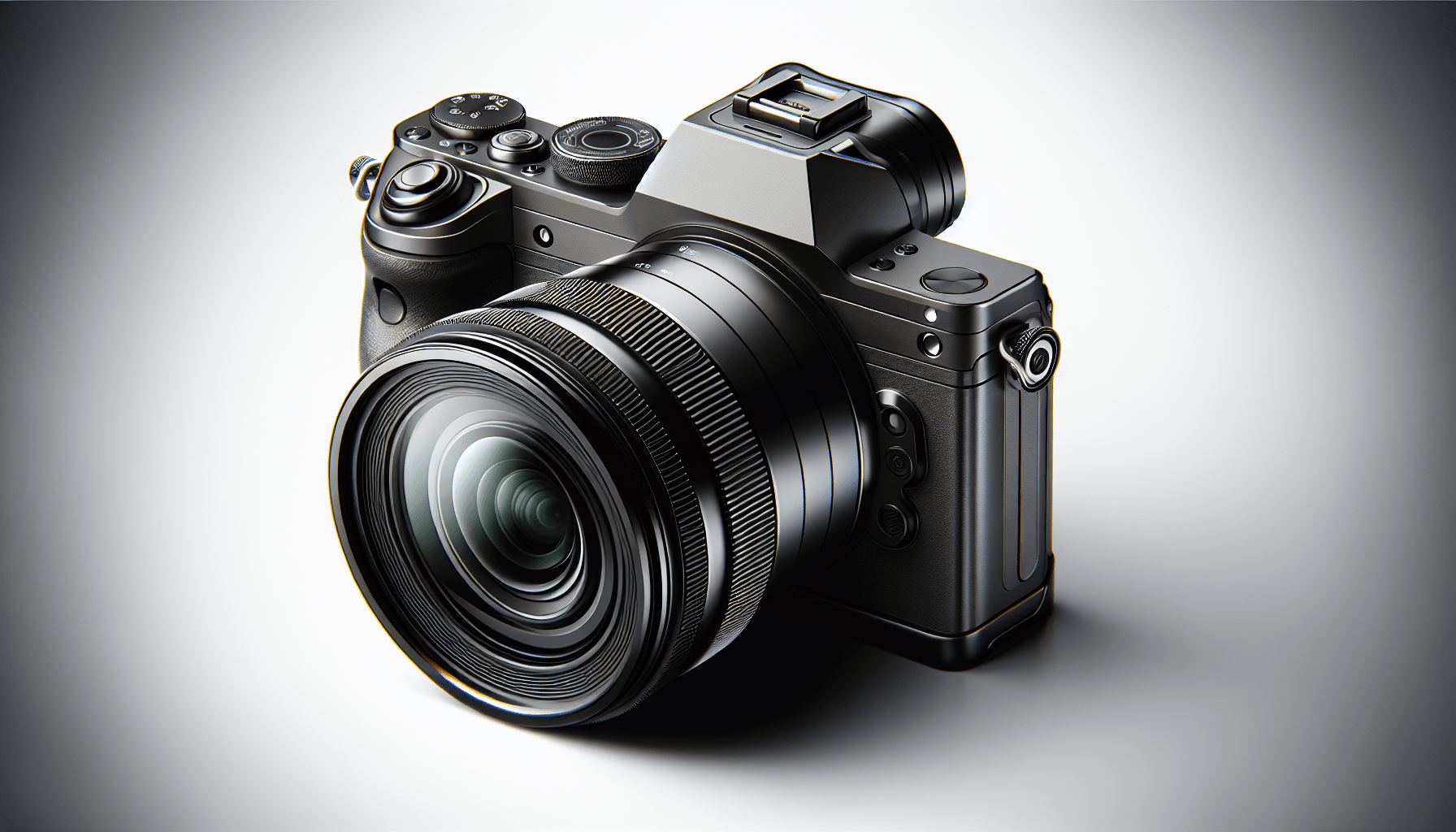
As the name suggests, pocket size cameras are incredibly portable. Their small, lightweight design allows you to carry them around effortlessly, making them ideal for spontaneous photography or travel adventures.
Convenience in Different Occasions
Whether you’re at a concert, a sporting event, or simply out with friends, pocket size cameras offer the convenience of capturing moments without being obtrusive. Their portability means you’ll rarely miss a photo opportunity.
Feature Set
Despite their small size, many pocket-sized cameras come loaded with advanced features such as Wi-Fi connectivity, optical zoom, and high-quality sensors. Some even offer manual control options for more creative photography.
High-End or High Performance Cameras
Recommended for Trained Photographers
High-end or high-performance cameras are often recommended for trained or enthusiastic photographers. These cameras offer extensive manual controls and advanced features that allow for creative flexibility. Perfect for those who understand photography basics and wish to delve deeper into their craft.
Resolution and Advanced Features
These cameras often boast high resolution, often exceeding 20 megapixels, ensuring the finest image quality. Features like interchangeable lenses, advanced autofocus systems, and high-speed continuous shooting modes elevate your photography to the next level.
Cost Considerations
While the investment is higher, ranging from several hundred to thousands of dollars, the value you get in terms of image quality and professional capabilities justifies the cost. Be prepared to also invest in additional lenses and accessories to fully utilize the camera’s potential.
Technical Qualities
Image Resolution
Higher image resolution means better-quality photos, thanks to the greater number of pixels. While higher resolution is usually preferable, consider your primary use. For simple digital copies, posting on social media, or photo albums, a mid-range resolution is sufficient to meet your needs.
Storage Capacity
Digital cameras often use SD cards or other types of memory cards for storage. Higher-end models might also offer higher storage options or dual storage slots. Ensure you choose a memory card with enough capacity to store your photos, especially if you plan to shoot in high resolution or RAW format.
LCD Screen Advantages
An LCD screen is almost standard in modern digital cameras, offering an immediate preview of photos. Larger and higher-resolution screens offer a better viewing and editing experience. Some screens are also touch-sensitive, adding an extra layer of convenience for navigating menus and adjusting settings.
Battery Life Comparison
Battery life varies among different types of cameras. Point and shoot and pocket size cameras generally have smaller batteries, while high-end cameras come with more substantial battery packs. Always consider battery life according to your usage patterns. Having backup batteries or a portable charger can be handy.
Additional Features
Optical vs. Digital Zoom
Optical zoom uses the camera’s lens optics to magnify the image, maintaining image quality. Digital zoom, however, crops your image and enlarges the result, often reducing quality. For this reason, optical zoom is generally preferable, especially if you expect to zoom in frequently.
Image Stabilization
Image stabilization helps reduce blurriness caused by shaky hands or moving subjects, ensuring clearer photos. Optical image stabilization is generally more effective than digital stabilization and is a feature worth considering if you often shoot in low light or at high zoom levels.
Wi-Fi and Bluetooth Connectivity
Modern cameras often come with Wi-Fi or Bluetooth features, enabling you to connect your camera to your smartphone, tablet, or computer. This allows for easy transfer of images and even remote control of the camera from your device, adding extra convenience to your photography.
Brands and Models Comparison
Top Brands in the Market
Many reputable brands offer a variety of digital cameras, each with its strengths. Brands like Canon, Nikon, Sony, and Panasonic are known for their quality and reliability. Each brand has multiple models catering to diverse needs and budgets.
Popular Models
Depending on your requirements, several popular models stand out. For instance, Canon’s PowerShot series and Sony’s Cyber-shot lineup are excellent for point and shoot categories. For high-performance cameras, Nikon’s D-series or Sony’s Alpha series offers exceptional options.
Customer Reviews and Ratings
Before making a purchase, it’s wise to check customer reviews and ratings. Websites and forums dedicated to photography often provide extensive reviews and user feedback. These insights can help you make an informed decision, considering both the pros and cons of various models.
Conclusion
Summary of Key Points
Choosing the right digital camera involves understanding your needs, considering the frequency of use, desired features, budget, and whether you plan on printing photos or using them digitally. Different types of cameras, from point and shoot to high-end models, offer unique features tailored to various levels of expertise and purposes.
Final Considerations
Technical qualities such as image resolution, storage capacity, LCD screen quality, and battery life play a significant role in your ultimate satisfaction. Additional features like optical zoom, image stabilization, and connectivity enhance your overall photography experience.
Making the Right Choice
Making the right choice means balancing your needs and budget with the camera’s technical specifications and features. Take your time to research, compare models, and read reviews. The perfect camera for you is out there, ready to help you capture life’s precious moments with clarity and creativity. Happy shooting!