
In “My Favorite Digicams for Vintage Everyday Photography,” you get a friendly tour of compact digital cameras that capture a nostalgic aesthetic without the cost or worry of a professional body. You’ll see KingJvpes’ top picks for 2023, sample photos, and clear sections covering Fuji setup, essentials, accessories, film recommendations, deals, and an editing rig.
This guide helps you choose small cameras for everyday life, shows how to outfit them affordably, and shares editing and film tips to craft that vintage look. A brief note mentions affiliate links in the original video, but here you’ll find straightforward, practical advice to help you shoot more and stress less.
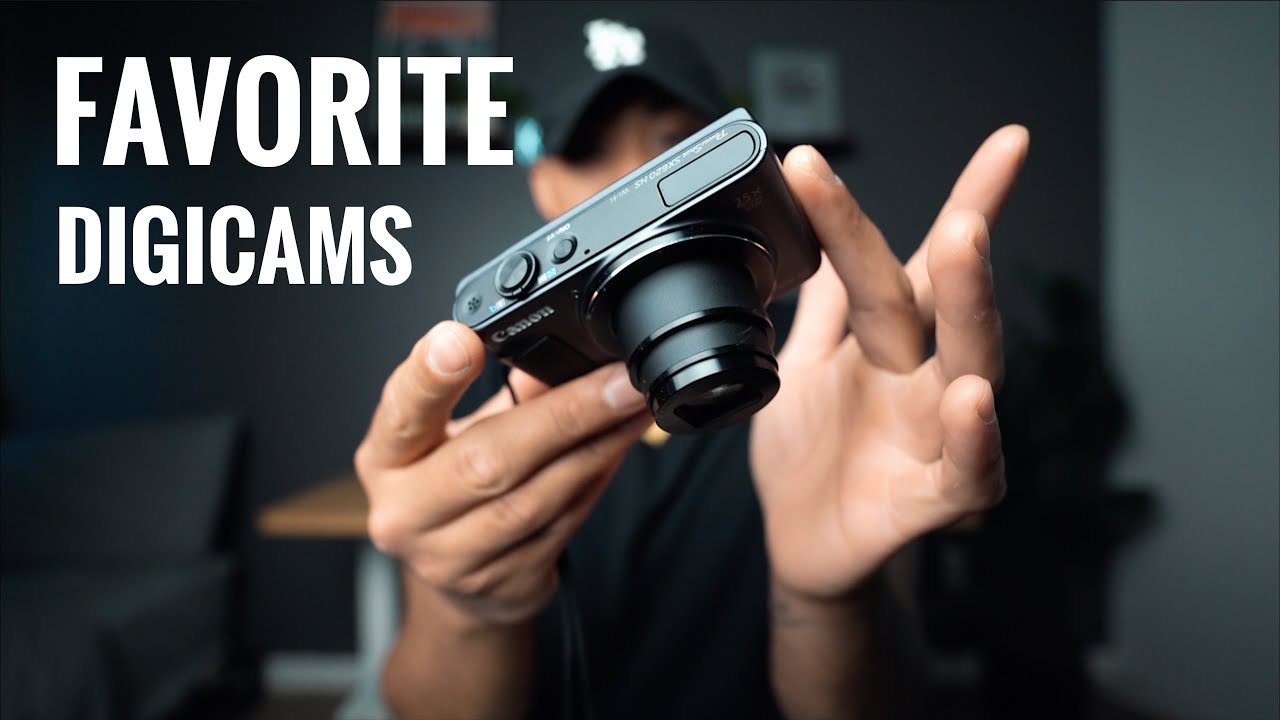
This image is property of i.ytimg.com.
My Favorite Digicams Overview
You already know what it feels like to want a camera that isn’t trying too hard, that doesn’t make you nervous when it’s in your pocket. This overview is for that impulse — the one that prefers a quiet, imperfect image to something clinically sharp and rehearsed. I’m talking about small digital cameras, the ones that behave like they were built for ordinary life rather than art-school portfolios. You’ll find reason enough here to love them the way I do: for their JPEGs, for their size, for how they make you look at the world sideways.
What I mean by “digicam” and why they’re great for a vintage everyday look
When I say digicam I mean compact consumer digital cameras and higher-end pocketable compacts with fixed lenses — the PowerShots, the Coolpixes, the early RX100s and the Fuji compacts that sit somewhere between toy and tool. You’ll know one when you see it: small, modest, not trying to impress with interchangeable lenses, but capable of a mood. They’re great for a vintage everyday look because they have built-in limitations that become strengths: modest dynamic range, softer contrast, JPEG processing that interprets color in curious and accidental ways, and often a small sensor that flattens perspective the way older point-and-shoots used to do. Those imperfections read like memory.
Key characteristics I look for: color, JPEG algorithms, size, simplicity
You care about color first, because color is how mood translates. The best digicams produce warmth in skin tones, a pleasing saturation that isn’t aggressive, and a color bias that feels film-adjacent. JPEG algorithms matter because you’ll often be shooting straight to JPEG for ease — good in-camera processing saves you time and guides the aesthetic. Size is practical: if the camera fits your pocket you’ll take it everywhere, and simplicity is philosophical: fewer menus, fewer modes, less anxiety. You want a camera that invites you to look and press, not to endlessly tweak.
How digicams differ from film cameras and modern mirrorless systems
Digicams live between film and modern mirrorless in temperament. They lack the tactile ritual of film — no loading, no scanning — but they inherit an aesthetic that is neither sterile nor hyper-real. Compared to mirrorless systems they are less flexible: no interchangeable lenses, smaller sensors, fewer controls. But that constraint is the point. Where mirrorless gives you a technical answer, digicams give you a mood. They’re forgiving in a way film isn’t: you don’t feel like you’ve wasted a roll; you don’t build a moment’s tension around exposure settings. The result is a different kind of intimacy, one that suits the everyday.
Why I Love Vintage Everyday Photography with Digicams
You’ll find that once you let go of perfection, something generous happens to your photography. You’ll notice small things. You’ll accept a blur because it feels like movement. You’ll keep a camera in your pocket and stop missing moments.
The aesthetic appeal: soft contrast, film-like colors, and quirks
The visual charm is soft contrast and colors that skew like memory: a bit warmer, sometimes a little green in the shadows, occasionally a magenta cast that you’ll come to love. Digicams render highlights in a way that feels less clinical than modern sensors — they roll off, they bloom, they forgive. You’ll find quirk after quirk: vignetting, subtle chromatic aberration, JPEG sharpening halos that look like grain from far away. These are not defects so much as signatures. If you want your photos to look like someone else’s memories rather than a catalogue, these cameras do the work for you.
Low stress shooting: pocketable cameras and forgiving results
Because they are small and simple, digicams make photography a low stakes activity. You won’t worry about dust in a sensor or a scratched lens. You’ll shove the camera in your bag, forget about it, and then at a café or on a walk it’ll be there, ready. The images they produce are forgiving: slightly soft focus, a hint of blur in low light, warmth in the midtones — all translate into pictures you don’t need to agonize over. That’s liberating. You begin to photograph more because you feel less pressure to get every technical decision right.
How digicams encourage everyday storytelling and candid moments
With a digicam the barrier to shooting is almost nonexistent, which changes what you photograph. You are more likely to take portraits of friends doing nothing, mundane interiors, quick food photos, rain on a window. The camera’s size and discreet look make people relax, and candidness becomes possible. Over time these small, honest images build a record of your life that feels cohesive because it is shot with a consistent eye and a consistent set of limitations. You’ll find yourself telling small stories rather than staging big ones.
My Fuji Setup
If you want a single system that balances JPEG personality with usable controls, Fujifilm often sits in the sweet spot. You’ll notice their film simulations and how they nudge you toward a filmic palette without needing much post.
Which Fujifilm digicam models I use and why (compact Fujis and X100 series)
I use compact Fujis and the X100 family because they combine build quality and character. The X100 series, with its fixed 23mm equivalent lens, produces images that feel deliberate, like you made a choice by being there. The compact FinePix-style Fujis and newer compact X models are smaller but still carry Fuji’s color science. You pick the X100 when you want a little more control and presence; you pick the smaller Fujis when you want something truly pocketable. Both give you that in-camera personality that’s rare in other brands.
How I configure my Fuji cameras for vintage JPEGs and in-camera film simulations
You’ll want to focus on film simulations and subtle tweaks: Classic Chrome for a muted, documentary vibe; Astia for softer skin tones; Pro Neg for portraits with calm midtones. Dial down the sharpness and noise reduction in the JPEG settings if you can, and add a touch of highlight tone reduction for smoother roll-off. Keep saturation modest — part of the vintage look is restraint. Finally, consider shooting RAW+JPEG so you can lean on the JPEG for immediate sharing and the RAW for deeper edits when you want to chase a specific film stock.
Accessories I pair with my Fuji setup for the full look
You’ll pair simple accessories: a leather or fabric strap that sits comfortably and looks lived-in, a soft case for pocket carry, and a small neutral-density filter or a warming filter if you like to nudge color in-camera. A cheap diffuser for the pop-up flash softens fill light and helps keep highlights gentle. If you use the X100, I’d recommend a viewfinder hood or a soft thumb grip for handling. These aren’t about technical upgrades so much as helping the camera feel like an extension of your hand.
Top Digicam Picks for Vintage Aesthetic
There are cameras that, right out of the box, lean toward the look you want. Some are classic because they got the JPEG mojo right. You’ll find favorites across eras and price points.
Compact classics with pleasing JPEGs: Canon PowerShot S90/S95 and Canon G-series examples
The Canon PowerShot S90 and S95 were little revelations when they came out and remain great for vintage-minded shooters. Their color rendering and tonal response are kind to skin and low light, and the form factor is small enough to carry everywhere. Canon’s G-series, particularly the G7 and G12 era models, give you larger bodies with nicer controls but retain that classic Canon color. These cameras are forgiving, responsive, and produce JPEGs that often need only a light hand in post.
Retro-feeling compacts with great color: Fujifilm X100 family and FinePix compacts
The X100 family is the archetypal retro compact: rangefinder-inspired layout, deliberately restrained controls, and Fuji’s film simulations. If you want images that feel like they belong to a thoughtful documentarian, start here. FinePix compacts from Fujifilm, especially the mid-era models, punch above their size with warm, film-like colors and pleasant saturation. Both families are useful because they feel like tools designed with a visual identity in mind, which means you spend less time deciding how a picture should look.
Street-friendly options: Ricoh GR Digital and Sony RX100 series as higher-end alternatives
If street photography or pocket performance matters, look at the Ricoh GR Digital and the Sony RX100 series. The GR is famous for its snap, its comfortable body, and its ability to disappear into the scene. Images are sharp, but you can coax character from its JPEG engine. The RX100s offer a larger sensor in a compact shell; they’re cleaner but can be nudged into a vintage mood with profile tweaks and subtle post. Both are higher-end in terms of output, but they remain pocketable and eminently usable for everyday shooting.
Budget Digicams That Punch Above Their Weight
You don’t need to spend a fortune to get a camera with personality. Older cameras, properly vetted, can be a joy.
Older point-and-shoots to look for used: Casio Exilim, Nikon Coolpix previous generations
Hunt for Casio Exilims, older Nikon Coolpix models, and early Canon compacts. These cameras have distinct JPEG looks: Casios often saturate in a way that’s immediately appealing, while older Coolpixes have a specific rendering in their shadows and skin tones. Because you’re buying used, you’ll find variety and quirks that newer cameras smooth away. Approach these purchases like you would a thrift-store find — with curiosity and the expectation that the item will come with character.
What to expect from cheap used models and which quirks become aesthetic advantages
From cheap used models expect quirks: sticky dials, slightly loose battery doors, softer focus, and inconsistent metering. Many of these become advantages. Soft focus reads as gentle, sloppy exposure becomes moodier with blown highlights, and inconsistent auto white balance can introduce color shifts that you’ll later use as part of your signature. The important part is knowing which quirks you can accept and which compromise the camera’s function. If it takes pictures you like, it’s doing its job.
How to buy used cheaply and what to test before purchase
Buy from reputable sellers who allow returns, and test before you commit. Check that the lens extends and retracts smoothly, the autofocus locks, the LCD isn’t dotted with dead pixels, and the flash fires. Take sample shots across ISO ranges and in different lighting to see JPEG behavior. If buying in person, hold the camera and simulate shooting — ergonomics matter. And bring a small list of non-negotiables: battery health, functioning viewfinder/LCD, and clean glass. These will keep you from ending up with an expensive paperweight.
Pocket-Friendly Models for Everyday Carry
Where a camera lives determines what it photographs. The smaller and less obtrusive it is, the more it documents.
Size, weight, and pocketability considerations for daily use
Consider whether it fits in your everyday pockets. A camera that requires a bag will be a camera you bring intentionally, which is great sometimes, but a pocketable camera becomes part of your body. Weight matters: a heavy camera feels like commitment. You want something that disappears until you choose to use it. Think about what you wear and where you keep your things. If you prefer slim jeans, choose slimmer bodies. If you often have a tote, you have more flexibility.
Battery life and spare battery strategies for small cameras
Small cameras tend to have small batteries. Get into the habit of charging nightly, and carry a spare if you plan to be out for long stretches. For the truly pocketable approach, consider a tiny power bank and a cable if the camera supports USB charging. Keep an eye on battery drain from features like Wi‑Fi and the LCD. You’ll shoot more if you aren’t constantly rationing power, so make battery strategy part of your routine.
How form factor influences candid shooting and composition choices
Form factor changes how you compose. A tiny camera lets you shoot from the hip, which yields different framing — more accidental, sometimes better. A camera with a viewfinder encourages you to compose deliberately. The lens choice determines how close you have to be; wide-ish compacts bring you into conversation. You’ll notice that awkwardness fades the more you use a camera; what starts as self-consciousness becomes a comfortable mode. Let the camera shape your approach instead of fighting it.
Essential Accessories for Digicam Vintage Look
Accessories are less about necessity and more about reinforcing habit. The right strap or diffuser makes the camera feel like yours.
Straps, cases, and quick-access solutions to keep the camera with you
You’ll want a strap that invites you to sling the camera over your shoulder so it’s always within reach, not a clumsy neck strap that becomes a burden. Small pouches and soft cases protect without encouraging you to shelve the camera. Quick-access solutions — shallow pockets, wrist straps attached to a bag — are as valuable as any lens. The goal is to keep the camera in motion with you, because the best shots often demand no thought at all.
External flashes and diffusers for soft, film-like fill light
An external flash with a diffuser softens light in a way the built-in flash can’t. Bounce or diffuse to avoid hard, small-point flash that reads digital. You don’t need power so much as softness. Small bounce cards, silicone diffusers, or even a folded tissue can transform a harsh fill into a gentle film-like glow. Used sparingly, these tools let you shoot interiors and portraits without flattening the mood.
Lens attachments, vignetting rings, and cheap filters that add character
Cheap filters — warming filters, ND, or soft-focus attachments — add character without technical hassle. Vignetting rings and screw-on attachments create edge falloff reminiscent of older lenses. You can also use inexpensive wide-angle adapters if you want a different perspective, though they can introduce distortion. These are quick, reversible ways to push a camera’s look toward vintage without permanent modification.
More Accessories and Mods
If you’re the tinkering type, small mods and DIY projects can make a digicam feel bespoke.
DIY light leak kits, colored gels, and soft-focus attachments
You can simulate light leaks with small pieces of translucent tape and creativity, or add gels over lights to warm or color your flash. Soft-focus attachments — even simple diffusion material stretched in front of the lens — create a dreamy halo. These DIY solutions are playful, cheap, and reversible. They also have the virtue of being handcrafted, which matches the imperfect charm you’re aiming for.
Firmware and menu tweaks where possible to maximize JPEG character
Where camera hacks are safe and reversible, you can tweak settings to favor JPEG character: lower sharpening, adjust contrast curves, set continuous color profiles, and tweak white balance presets. Some camera communities produce firmware patches or profiles that unlock additional processing modes; proceed cautiously and only when you understand the risks. Small menu tweaks often get you 80 percent of the way to the look you want without needing complex mods.
Simple physical mods: textured tape, vintage-style skins, and grip modifications
A textured tape on the grip, a vintage-style skin, or a small thumb rest changes how the camera feels in your hands, which changes how you shoot. These mods are largely cosmetic but they help the camera become an object you want to touch and use. They can also protect the body and make it look less new — an aesthetic win if you prefer the lived-in look.
My Film Recommendations (for hybrid workflows and inspiration)
Even if you shoot digital, you can lean on film for inspiration. Film teaches you restraint: color, grain, and exposure choices that become useful guidelines.
Which film stocks I reference when editing digital photos (Portra, Kodak Gold, Fuji Superia)
I often reference Portra for its warm yet neutral skin tones, Kodak Gold for its autumnal punch, and Fuji Superia for a slightly cooler everyday feel. Each stock gives you a mental target when you’re editing: Portra for gentle highlights and natural skin, Gold for saturated warmth, Superia for everyday realism with a hint of pop. Use scans of these films as a palette guide when you create presets or hand-adjust JPEGs from a digicam.
Mixing scans of actual film with digicam shots for a consistent feed
If you post regularly, combining film scans with digicam images can create a cohesive feed if you’re disciplined about color consistency. Start by matching white balance and exposure ranges, then add subtle grain or color curves to digital shots to integrate them. The small quirks of digicam JPEGs often sit surprisingly well beside film scans; don’t feel obliged to perfectly match every image. Consistency in mood is more important than pixel-perfect fidelity.
How to use film samples to build presets and emulate specific looks
Scan film samples and use them as references to build Lightroom or in-camera profiles. Study the curve of highlights, the way shadows hold color, and the grain structure. Translate those observations into adjustments: HSL shifts, tone curve tweaks, and grain overlays. Build subtle presets that you can apply quickly to digicam JPEGs to nudge them toward a filmic cousin without erasing their inherent character.
Conclusion
You’ll leave this with more than a list of cameras; you’ll take away a way of looking that privileges presence over polish. Digicams are tools for living, for carrying, for making pictures of a life that is real and a little messy.
Recap of why digicams remain a joyful choice for vintage everyday photography
Digicams are joyful because they’re practical, characterful, and forgiving. They produce images that read like memory rather than documentation. Their limitations are the very qualities that create cohesion and warmth. If what you want is a camera that helps you live in the moment and then remember it, a digicam is a generous companion.
Final quick tips for getting started with a digicam kit and developing your aesthetic
Start small: pick a camera that you’ll actually carry, learn its quirks, and shoot for habit rather than perfection. Lean on in-camera JPEGs and a handful of simple presets. Carry a spare battery. Choose one film stock as a color target and reference it when you edit. Most importantly, photograph often and without the pressure of making every shot a masterpiece.
Encouragement to experiment, mix digital with film, and enjoy imperfect images
Be playful. Mix film scans with digicam results, try a DIY light leak, accept the blur and color shifts that feel honest. Your aesthetic will evolve as you do. The warmth of these images comes less from technique and more from the decision to record the small, ordinary minutes that add up. Enjoy the imperfections. They are the point.