
Digital Camera: Buyer’s Guide to Choosing the Best Gear walks you through how to pick the right camera for your needs, whether you’re shooting photos, video, or both. You’ll find clear explanations of camera types, sensor sizes, lenses, and the essential features to compare before buying.
In the video by Jon Thrifts, you get practical examples, budget-minded recommendations, and hands-on tips to test gear in real-world situations. Use the short checklist and buying strategy to narrow options, plan accessories, and feel confident about your purchase.
Types of Digital Cameras
You’re stepping into a crowded room of devices that all promise to capture the world but do so in very different ways; here you’ll find compact cameras, hulking DSLRs, tiny action cams, and niche tools, each shaped by a different set of compromises and pleasures.
Compact point-and-shoot cameras and their ideal users
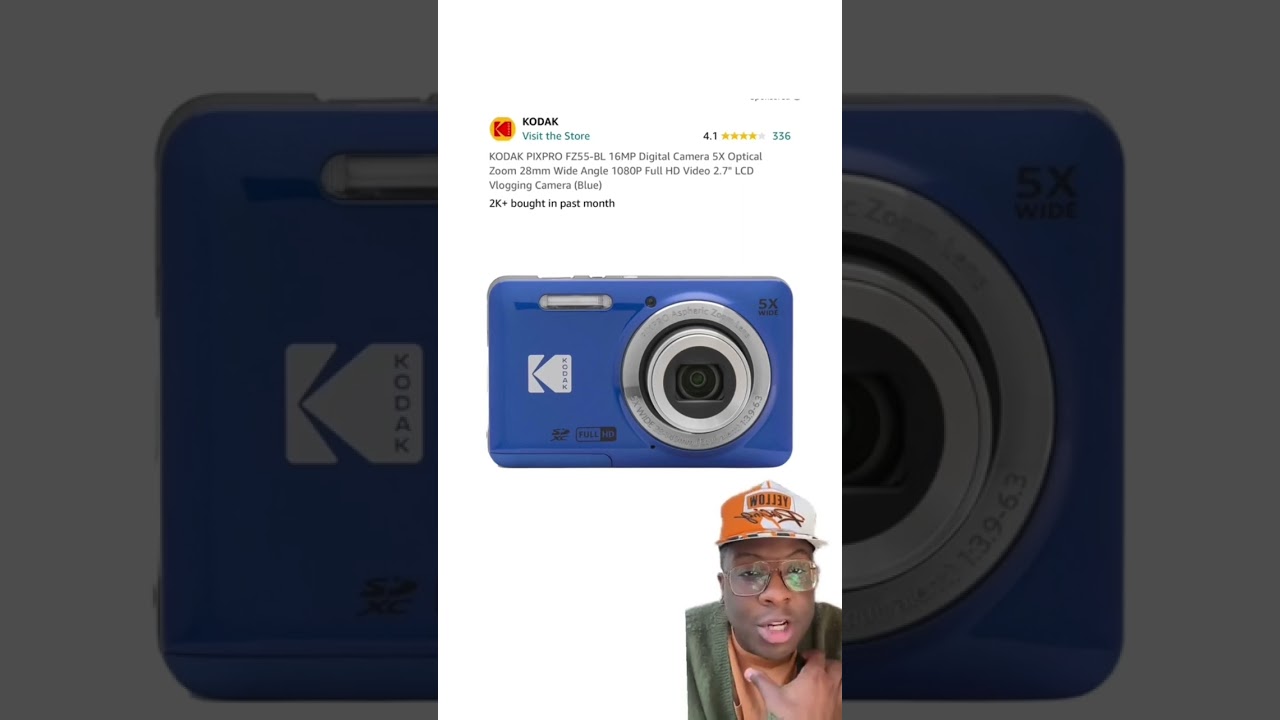
If you want something that fits in your pocket and asks for almost nothing in return, a point-and-shoot is kind of beautiful: straightforward controls, automatic modes, and quick access to the moment. They suit you if you value ease, travel lightness, and minimal fuss.
Bridge cameras and superzoom capabilities
Bridge cameras bridge—literally—the gap between compacts and interchangeable-lens systems, giving you massive zoom ranges in a fixed body. You’ll like them when you want reach for wildlife or sports without the lens bag, though you tolerate compromised low-light performance and heft.
Mirrorless interchangeable-lens cameras and advantages
Mirrorless cameras feel like a new punctuation in photography: small bodies, electronic viewfinders that preview exposure, fast autofocus systems, and an expanding lens ecosystem. If you want modern speed, video chops, and future-proofing, this is usually the place to start.
Digital single-lens reflex (DSLR) cameras and legacy systems
DSLRs still matter because of lenses and tried-and-true ergonomics; they have deep systems and often exceptional battery life. You’ll consider a DSLR if secondhand lens bargains or optical viewfinder preference weigh heavily in your decisions.
Action cameras and ruggedized small-form options
Action cameras are about presence rather than control: tiny, rugged, waterproof, and glued to helmets or handlebars, they let you document movement and immersion. If you need durability and multiple mounts more than image quality, they will serve you well.
Specialty cameras such as medium format and panoramic models
Medium format and panoramic cameras are for people who want an aesthetic investment: larger sensors, exquisite tonality, or extremely wide aspect ratios. You’ll pick these when image quality, print-making, or specific artistic intent outweighs price and portability concerns.
Sensor Size and Image Quality
Sensor size is the bit of the camera that’s actually hungry for light, and your choices here define what’s possible: low-light performance, depth of field control, and the tonal range of your images all trace back to size more than megapixel count.
Full-frame sensors: benefits for low light and dynamic range
Full-frame sensors give you larger pixels typically, which means better low-light performance, cleaner high-ISO files, and wider dynamic range, so highlights and shadows retain detail; if you chase atmosphere and cleaner files, full frame is persuasive.
APS-C and Micro Four Thirds: compromise between size and performance
APS-C and Micro Four Thirds are compromises that often make sense: smaller bodies, lighter lenses, and competitive image quality, though you’ll sacrifice some low-light latitude and shallow depth-of-field control compared with full frame.
Smaller sensors in compacts and smartphones: limitations and improvements
Small sensors, like those in compacts and phones, are limited by physics — more noise and less dynamic range — but clever processing, multi-frame stacking, and computational photography have made them surprisingly capable for everyday use and social sharing.
Resolution versus pixel size: sharpness, noise, and cropping flexibility
Higher resolution gives you cropping flexibility and detail but often comes at the cost of smaller pixels and more noise unless the sensor is larger; you should weigh whether you need large prints or tight crops against the realities of noise performance.
Read noise, dynamic range, and real-world image quality factors
Beyond megapixels, technical measures like read noise and dynamic range determine usable image quality; in practice you’ll notice these as cleaner shadows, better highlight recovery, and more forgiving editing latitude when the camera’s sensor and processor are strong.
This image is property of i.ytimg.com.
Lenses, Mounts, and Optical Considerations
Lenses are where your camera’s character is decided; they’re not just glass but the means by which you shape light, perspective, and depth, and the mount you choose defines what lenses you can use now and later.
Interchangeable lens systems: ecosystem and future-proofing
Choosing an interchangeable lens system is a bet on an ecosystem: native lenses, third-party options, and future bodies. If you plan to grow in photography, prioritize mounts with robust lens lineups and manufacturers who update bodies regularly.
Prime versus zoom lenses: sharpness, speed, and versatility
Primes often reward you with speed and sharpness, while zooms give you flexibility and convenience; you’ll choose primes when you want the look and light-gathering capacity, and zooms when you need to travel light with fewer lens changes.
Aperture and depth of field control for creative effects
Aperture isn’t just exposure control; it’s the lever for depth of field and bokeh. You’ll use wide apertures for subject isolation and shallow focus portraiture, and smaller apertures for landscapes, but remember diffraction and diffraction-limited sharpness at the smallest stops.
Lens stabilization and how it complements in-body stabilization
Lens stabilization (OSS/IS/VR) works alongside in-body stabilization (IBIS) to reduce shake, and systems that cooperate intelligently extend handheld shutter speeds. You’ll get the best results when both systems communicate, whether by hardware or computational fusion.
Compatibility, adapters, and third-party lens options
Adapters open worlds: they let you marry legacy glass to modern bodies, and third-party manufacturers can offer excellent value. You should check electronic compatibility, autofocus performance, and flange distance when mixing systems to avoid disappointment.
Autofocus, Speed, and Shooting Performance
Autofocus and mechanical performance determine whether you capture the moment or watch it pass, and modern cameras vary wildly in how they find and hold subjects across motion and light conditions.
Autofocus systems: contrast-detect, phase-detect, and hybrid AF
Contrast-detect is accurate but slower, phase-detect is fast and predictable, and hybrid AF blends both for speed and precision. You’ll appreciate phase-detect pixels on the sensor for continuous action and reliable tracking.
AF point coverage, subject tracking, and eye/face detection
Wide AF coverage and smart subject tracking mean the camera can follow subjects across the frame, and eye/face detection has become indispensable for portraits and vlogging; you should prefer systems with dense AF point maps if you shoot moving people or animals.
Continuous shooting rates, buffer depth, and file format impacts
Frames-per-second matter only so much as the buffer and your workflow allow; raw files fill buffers faster, while compressed formats extend burst lengths. You’ll balance your need for speed with file size and card performance to avoid missed sequences.
Shutter types and durability: mechanical versus electronic shutters
Mechanical shutters are tactile and proven, electronic shutters are silent and fast but susceptible to rolling shutter artifacts; durability ratings matter if you shoot a lot, and hybrid options give you both speed and discretion when needed.
Startup time, responsiveness, and real-world usability
A camera that’s slow to start, laggy in menus, or hesitant at half-press will frustrate you more than any spec sheet implies; prioritize models that feel alive in your hands, with quick power-up and responsive controls that match how you actually shoot.
Image Stabilization and Low-Light Shooting
Stabilization and low-light techniques expand the situations in which you can shoot without a tripod, but they also demand you understand trade-offs between shutter speed, ISO, and intentional motion.
In-body image stabilization (IBIS) versus optical lens stabilization
IBIS stabilizes the sensor and benefits every lens you mount, while optical stabilization in lenses is tuned for specific focal lengths. You’ll get the most flexible solution when both exist and cooperate, especially with longer lenses.
Effective stops of stabilization and practical benefits
Manufacturers quote stops of stabilization — often three to seven — but real-world benefit depends on focal length and technique; this translates into slower handheld shutter speeds and fewer unusable frames when light is scarce.
High ISO performance and noise management strategies
High ISO is a tool, not a failing: use it to maintain shutter speed, and then manage noise through proper exposure, in-camera noise reduction when appropriate, and careful post-processing that preserves detail rather than smudging it away.
Tripod, monopod, and gimbal options for stable shooting
Tripods are for deliberate work and long exposures, monopods offer mobility with support, and gimbals stabilize motion for smooth video; you’ll pick the right support for your genre and accept the practicalities of carrying and rigging them.
Shooting techniques to maximize low-light image quality
To maximize quality, expose to protect highlights, use wider apertures thoughtfully, shoot in raw when possible, and consider bracketing or multiple frames for stacking; technique often beats sheer sensor size, particularly in tricky lighting.
Video Capabilities and Creator Features
If you make moving images, you’ll need to evaluate codecs, frame rates, autofocus behavior, and audio options as essentials rather than extras; video pushes cameras in different ways than stills do.
Resolution and frame rates: 4K, 6K, 8K and what they mean
Higher resolutions offer more detail and cropping freedom but demand storage and processing power; 4K is the current baseline for many creators, while 6K/8K are useful for heavy post-cropping or future-proofing if you have the workflow to match.
Codec choices, bitrates, and recording formats for workflows
Codecs and bitrates determine how much information is captured and how much strain you place on editing systems; choose formats that balance image quality with your ability to store, transcode, and edit without bottlenecks.
Autofocus for video, rolling shutter, and heat management
Smooth continuous AF, minimal rolling shutter, and sensible heat handling are what keep long takes usable; you’ll notice limits when a camera overheats mid-interview or when fast pans warp frames severely.
Audio inputs, monitoring, and camera-mounted mics versus external recorders
Good sound usually requires external microphones and proper monitoring; onboard mics are convenient but often insufficient, so plan for inputs, headphone jacks, or wireless systems if your videos need a professional polish.
Log profiles, LUTs, and in-camera color tools for postproduction
Log profiles buy you dynamic range and flexibility in post, but they need grading; LUTs and in-camera flats help you preview and match footage, and you should think about color workflows early so your shoots integrate with editing goals.
Ergonomics, Build Quality, and Weather Sealing
How a camera feels and endures affects how often you use it; a camera that’s ergonomic, well-built, and weather-resistant will become part of your routine rather than a brittle device you fear taking outside.
Camera size and weight trade-offs for portability versus handling
Smaller cameras win on portability but sometimes sacrifice button placement and heat dissipation; you’ll decide how often you’ll actually carry a heavier body versus the ergonomic ease it might provide in longer shoots.
Grip design, control layout, and customizability for user workflow
A good grip and sensible control layout let you work without thinking about each dial; customizable buttons and menus mean you can tailor the camera to your habits and capture faster, which matters when the moment is brief.
Materials, build quality, and long-term durability considerations
Magnesium alloy, weather seals, and robust construction increase longevity but also price; consider how often you’ll expose the camera to travel, bad weather, or heavy use before paying a premium for ruggedness.
Weather sealing and use in challenging environments
Weather sealing won’t make your camera invincible, but it gives you confidence in rain, dust, and cold; if you shoot outdoors often, invest in sealed bodies and lenses to avoid nightmares of moisture and grit.
Battery life, spare batteries, and power management options
Battery life dictates your shooting rhythm; bring spares, consider grips for extended shoots, and learn the power-hungry features that drain cells so you can plan charging routines for long days.
Essential Accessories and Kits
The camera is only one component of a working system: cards, lenses, supports, and lighting shape what you can capture and how reliably you can do it.
Must-have accessories: memory cards, batteries, and chargers
Fast, reliable memory cards, spare batteries, and a good charger are basic reliability investments; you’ll be grateful for extra storage and power on trips and shoots when replacement isn’t an option.
Recommended lenses and starter lens kits for different genres
A versatile starter kit might include a fast standard zoom, a wide-angle for landscapes, and a short telephoto or prime for portraits. Tailor your first lenses to the genres you shoot most to get immediate returns on investment.
Tripods, straps, and protective cases for transport and stability
A solid tripod, a comfortable strap, and a protective case will keep your gear safe and usable. You’ll prefer lightweight travel tripods for portability and sturdier models for studio or landscape work.
Lighting accessories: flashes, continuous lights, and modifiers
Lighting changes everything: speedlights, LED panels, softboxes, and diffusers let you shape mood and exposure. You’ll choose whatever fits the look you want, balancing portability with light quality and control.
Filters, cleaning kits, and small tools for maintenance
Filters, sensor-cleaning tools, and a small toolkit keep gear in working order and protect lenses; maintenance prevents avoidable faults and preserves resale value, so consider them part of your investment.
Budgeting and Value Assessment
Budgeting is about prioritizing what matters for your practice: image quality, speed, video capabilities, or portability — and accepting that every choice trades one benefit for another.
Establishing priorities: image quality, speed, video, portability
Start by ranking what you’ll use most: if you shoot fast action, prioritize autofocus and burst rate; if you print big, sensor size and resolution matter; clarity about priorities saves money and regret.
Balancing body cost versus investing in lenses and accessories
The body is important, but lenses often outlive cameras; invest in glass when possible and avoid overspending on a camera body if better lenses would more profoundly affect your images.
Understanding real-world value: total cost of ownership
Total cost includes batteries, cards, lenses, maintenance, and potential repairs; calculate lifetime costs rather than sticker price to see the real financial commitment you’re making.
When to spend more and when compromises are acceptable
Spend more on the elements that will affect your work for years — lenses, mount choice, and build quality — and compromise on features you’ll outgrow or rarely use, like niche high-resolution modes or marginal video specs.
Financing, promotions, and seasonal buying opportunities
If your budget is fixed, consider seasonality, refurbished gear, or accepted financing to spread costs, but always weigh financing interest versus saving and look for reputable sellers when buying discounted or used equipment.
Conclusion
You’ve been given a lot of practical criteria and a way of thinking about trade-offs; the best camera is the one you use habitually, so let your needs, budget, and patience for learning guide you toward a system you’ll pick up again and again.
Summary of key decision factors when choosing a digital camera
Sensor size, lens availability, autofocus performance, ergonomics, and video needs are the main levers. Keep them in mind and treat each purchase as a set of compromises you accept for the advantages you most want.
Practical next steps to narrow choices and prioritize needs
Make a short list of use cases, set a maximum budget, and test bodies in hand if you can; watch reviews or the “Digital Camera: Buyer’s Guide” video by Jon Thrifts to help you compare, but let your hands and habits decide.
Checklist to finalize purchase: testing, warranty, and accessories
Before you buy, test autofocus and ergonomics, check return policies and warranties, ensure compatible accessories are available, and budget for at least one good lens and spare batteries or cards.
Long-term considerations: upgrade paths and investment protection
Think about which lenses and mounts will serve you as bodies evolve; invest in glass and in protective care for your kit so resale or upgrades preserve value and keep your options open.
Encouragement to shoot, experiment, and refine gear choices over time
Finally, remember that gear won’t make you a photographer by itself: shoot a lot, experiment within limits, and let your experience inform future upgrades — the camera you choose now is the beginning of a practice that changes you more than the other way round.