
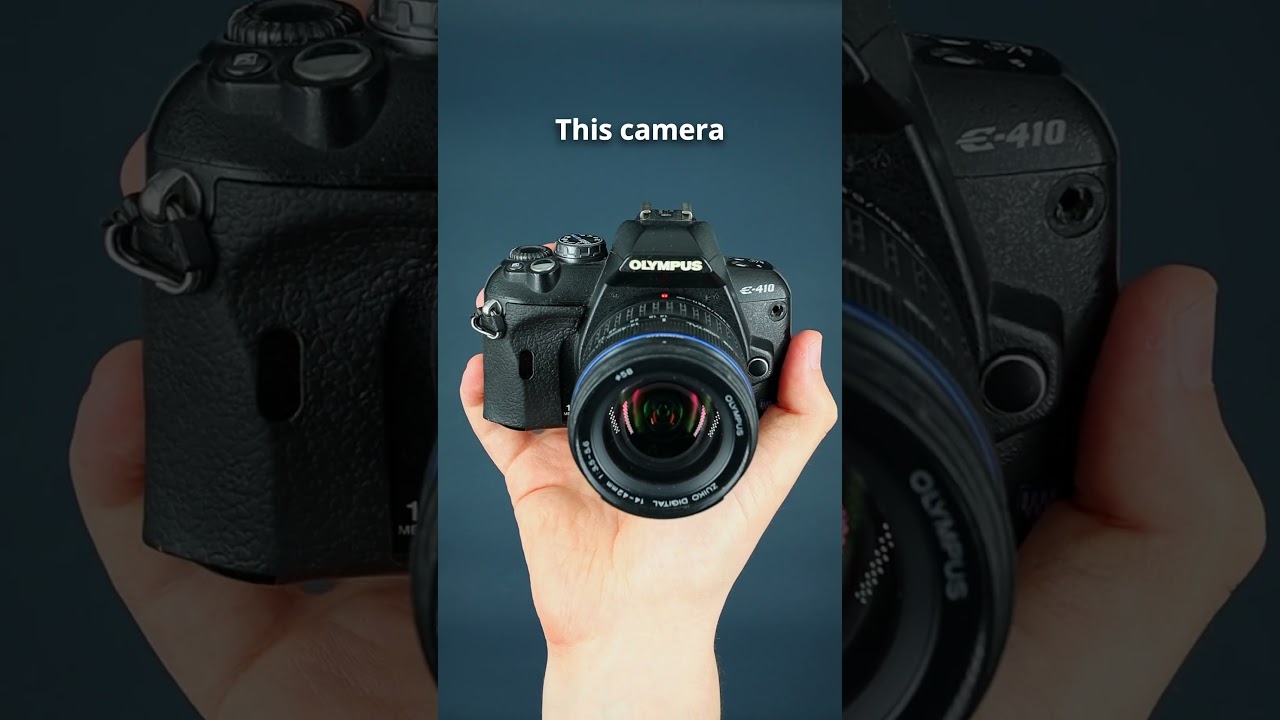
If you’re just starting photography, you’ll find today’s cameras light-years ahead of older models like the 2008 Olympus E-410 that couldn’t even record video. Being a beginner now means access to features and image quality that would have seemed impossible 15 years ago, so there’s less reason to get hung up on gear.
This short piece explains why large-sensor cameras with interchangeable lenses are more than sufficient for learning, and why your time is better spent shooting than obsessing over specs. You’ll get clear, practical advice for choosing a simple, capable camera and for building confidence behind the lens.
Why Today’s Beginners Are Lucky
You start in a richer era than many did. When you pick up a camera now you’re holding technology that would have seemed like a small miracle a decade and a half ago. Back in 2008, someone bought an Olympus E-410 and felt they had made a serious step into photography. It was a capable little camera but it didn’t record video. That omission now feels quaint. The cameras you can choose from today do photos and video, learn your face, find subjects in motion, and show you instantly whether a frame works. You have access to tools and feedback that used to be rare or absurdly expensive.
That doesn’t mean gear is everything. You can make beautiful pictures with modest equipment. What it does mean is that the barriers to learning have dropped. You can experiment quickly, get immediate results, and keep improving without waiting for film to come back or for a friend to develop prints. That speed of feedback changes how you learn: mistakes become cheap and instructive instead of costly.
So try not to fall into the trap of thinking the perfect camera is a waiting game. If you want to learn, the cameras available to you now are more than sufficient. Pick something with a large sensor and interchangeable lenses, and then let your attention go where it matters: practice, curiosity, and the small, stubborn pleasure of making images.
How modern cameras compare to older models like the Olympus E-410
Modern cameras are faster, quieter, and smarter. Where the E-410 was limited by the tech of its time, most entry-level cameras now offer much higher ISO performance, sharper autofocus, and the ability to shoot long sequences without lag. Video is standard, often in high resolution, and many bodies record stable, usable footage with in-body stabilization or strong electronic steadiness.
Autofocus systems have also changed everything. The E-410 relied on older phase-detection and contrast systems that could hunt and miss more often than not. Today’s systems use hundreds or thousands of phase-detect points, eye and face detection, and machine learning that recognizes types of subjects. That means you spend less time wrestling with focus and more time composing.
Advances in image quality, autofocus, and video over the last 15 years
Image quality has improved in three linked ways: sensor design, processing, and lenses. Sensors now gather more light with less noise; processors handle color, dynamic range, and sharpening in ways that preserve detail without needing heavy post-processing. Autofocus has gone from a functional convenience to an anticipatory tool: the camera can often predict where your subject will be, which is quietly revolutionary.
Video moved from being a feature to being a core capability. What you can record now—stabilized, in color-accurate formats, sometimes with log profiles—was unimaginable in many consumer cameras 15 years ago. That opens new creative work and learning channels; practice shooting moments in motion and you’ll learn about lighting, pacing, and continuity in ways still images don’t teach.
Why large sensors and interchangeable lenses make learning easier
Large sensors give you cleaner images at higher ISO, smoother gradients, and more control over depth of field. That last quality makes it easier to isolate subjects and practice composition with intentional foreground-background separation. Interchangeable lenses let you learn what perspective, focal length, and aperture actually do to an image. Instead of teasing effects out of one fixed lens, you can choose a tool for a task, which makes cause-and-effect clearer and accelerates learning.
When you can swap lenses, you also commit to a system and a growth path. You’ll start to see how different lenses change your relationship to a scene, and that familiarity teaches you more about the world you’re photographing than any spec sheet.
The benefit of instant feedback from digital displays and live view
Instant feedback is a teacher. You take a frame, glance at the screen, and learn in seconds whether exposure, focus, and composition worked. Live view can be even better: it lets you see how exposure adjustments change the image in real time. You can test lighting setups, experiment with depths of field, and learn the visual consequences of aperture and shutter speed without waiting.
That immediacy fosters experimentation. You can try something risky, see the result, tweak, and try again. Over time your eye learns faster because it has been trained by a constant, quick loop of action and reaction.
Encouragement to focus on learning and enjoying photography rather than perfect gear
Your focus should be on the act of seeing. Gear matters, but not as much as staying curious and shooting regularly. If you spend months hunting for the absolute perfect body you’ll miss months of deliberate practice. Pick a camera with a large sensor and lens options, then use it until you understand what you need next. Photography rewards patience and repetition more than perfectionism.
Enjoy the process. Take bad photos on purpose sometimes. Compare them, notice what bothers you, and try again. That’s how craft grows.
Understanding Camera Types
You will be choosing among different kinds of bodies and each has its own temperament. Think of the camera type as a personality: some are patient and heavy, others nimble and quiet. Your choice should follow what you like to photograph and how you like to move through the world.
DSLRs explained and who might prefer them
DSLRs are the traditional, mechanical-feel cameras with an optical viewfinder. They often have long battery life, robust bodies, and an extensive selection of lenses built over decades. You might prefer a DSLR if you like a tactile, responsive camera with a bright optical viewfinder and a large grip. They still appeal to people who work long days, want tried-and-true ergonomics, or need a deep lens ecosystem.
However, DSLRs are bulkier and use a mirror mechanism that makes some modern conveniences—like quiet continuous electronic shooting or advanced live view autofocus—less seamless than in mirrorless designs.
Mirrorless cameras and their advantages for beginners
Mirrorless cameras are leaner and often more technologically forward. They use electronic viewfinders that show you exposure and color in real time, and their autofocus systems are typically faster and more sophisticated. For beginners, mirrorless often means better autofocus, smaller bodies, and features like in-body image stabilization that make hand-held shooting more forgiving.
You’ll find mirrorless options across price points, and they’re usually easier to carry and more flexible for both stills and video.
Compact cameras and advanced compacts for carry-anywhere convenience
Compact cameras are small and often pocketable. Advanced compacts add better sensors, manual controls, and sometimes zoom ranges that outclass phones. Choose a compact if you want something you can carry everywhere without feeling burdened. The trade-off is fewer lens options and typically smaller sensors, which limit low-light performance and control over depth of field.
They’re excellent for travel, everyday documentary work, and for learning composition without the distraction of multiple lenses.
Bridge cameras and why they’re less common as a recommendation
Bridge cameras sit between compacts and DSLRs: they have long zooms and DSLR-like bodies but fixed lenses. They’re useful if you want reach—sports from far away or wildlife—without buying multiple lenses. But they’re less often recommended because their smaller sensors and fixed optical designs don’t match the image quality or flexibility of interchangeable-lens systems.
You might pick a bridge camera for convenience and zoom range, but if learning depth and lens choices matter to you, an interchangeable-lens system will be more useful over time.
Smartphones versus dedicated cameras: when a phone is enough
Phones are astonishing. For many everyday moments they’re more than enough: fast, always with you, and smart about exposure and color. Use your phone when convenience, speed, and social sharing are priorities. But phones are limited in sensor size, lens variety, and manual control. If you want to learn about optics, depth of field, or need high-quality images in low light, a dedicated camera is better.
Start with your phone if that’s what you have, and consider a dedicated camera when you want more control, better low-light performance, or the creative range offered by interchangeable lenses.
This image is property of i.ytimg.com.
Sensor Size and Why It Matters
Sensor size is one of the biggest technical choices you make because it directly affects image quality, depth of field, and how lenses behave. Think practically: sensor size is a tool that changes how you shoot, not a badge of worth.
Overview of common sensor sizes: full frame, APS-C, Micro Four Thirds, 1-inch
Full frame sensors match the size of classic 35mm film and deliver excellent low-light performance and shallow depth of field. APS-C sensors are smaller but still large enough to produce very good images and often come in more affordable cameras. Micro Four Thirds sensors are smaller again; they offer good image quality in a compact system and attractive lens options. The 1-inch sensor sits in high-end compacts and some bridge cameras, giving respectable image quality in very small bodies.
Each step down in size brings savings in cost and weight, but also changes how lenses translate focal length and depth of field.
How sensor size affects image quality, low-light performance, and depth of field
Bigger sensors generally collect more light and therefore perform better in low light with less noise. They also produce shallower depth of field for a given aperture and framing, which is useful for isolating subjects. Smaller sensors give greater depth of field at the same aperture and focal length, which can be beneficial for landscapes or situations where you want more in focus.
These differences matter when you decide how you like your photos to look: dramatic subject separation, subtle background blur, or deep focus across a scene.
Why a large sensor is a practical choice for beginners
A larger sensor buys you forgiveness. You’ll make noise-free images at higher ISOs, have more flexibility with depth of field, and generally find post-processing less fraught. That means you can focus on composition and timing rather than technical firefighting. For beginners, that margin for error is valuable.
It also future-proofs some of your learning: techniques like shallow-depth portraiture are easier to achieve, and your lenses will pay off more over time.
Trade-offs: cost, lens size, reach, and camera body size
Larger sensors mean larger lenses and often higher costs. If you want long telephoto reach—for wildlife or sports—smaller sensors can be advantageous because they effectively multiply focal length. Portability suffers with full-frame systems; travel weight adds up fast. Budget, comfort, and the subjects you shoot should guide your choice.
Match the sensor size to how you’ll actually carry and use the gear. A camera that sits unused in a cupboard won’t help you improve.
How to match sensor size to your photographic goals
If you prioritize portraiture and low-light work, lean toward larger sensors. If you travel light, favor smaller systems like Micro Four Thirds or APS-C. If you need reach for wildlife without a big budget, consider the crop advantage of smaller sensors. Ask yourself what you shoot most, and choose a sensor that supports those goals while fitting your lifestyle.
Interchangeable Lenses Explained
Lenses shape how you see. Changing a lens changes both the visual geometry and your relationship to a subject. Learning lenses is one of the most rewarding parts of learning photography.
Why interchangeable lenses expand creative options
A lens controls perspective, field of view, and depth of field more than the camera body does. Want wide, immersive landscapes? Put on a wide. Want intimate portraits with soft backgrounds? Pick a short telephoto with a wide aperture. Interchangeable lenses let you choose the visual tool for the story you want to tell, and that choice helps you learn to see differently.
They also let you gradually invest in a system. Start with one or two lenses and add as your interests clarify.
Basic lens types every beginner should know: prime, zoom, wide, telephoto, macro
Primes are fixed focal length lenses: simple, often sharper, and faster (wider apertures). Zooms cover ranges and give flexibility. Wide-angle lenses include expansive view capable of landscapes and interiors. Telephoto lenses bring distant subjects closer and compress space, useful for sports and portraits. Macro lenses let you capture tiny details up close. Learn what each does and when it matters.
How aperture, focal length, and image stabilization affect results
Aperture controls light and depth of field; wider apertures isolate subjects and allow faster shutter speeds in low light. Focal length decides how much of the scene you capture and how perspective behaves—short focal lengths feel expansive, long ones compress. Image stabilization helps you handhold at slower shutter speeds without blur, especially useful for video or low-light situations.
Together, these characteristics determine both the look and the usability of a lens.
Mount systems and future lens compatibility considerations
Lenses are keyed to mounts. When you buy into a system, think about the lens ecosystem and whether the mount has good long-term support. Consider whether adapters exist, how many native lenses are available, and whether third-party options are plentiful. That affects your ability to grow the kit without excessive cost or compromise.
Starter lens kit suggestions and reasons to avoid buying too many lenses at once
Begin with a versatile zoom that covers wide to short telephoto—something that lets you shoot landscapes, portraits, and everyday scenes. Add a fast prime (like a 35mm or 50mm equivalent) to learn about low light and composition. If you like travel, consider a compact wide; if you like wildlife, prioritize reach later.
Avoid buying many lenses at once. You’ll learn faster by mastering one or two lenses and understanding what you’re missing than by owning an array of tools you don’t know how to use.
Key Features to Look For
You don’t need to memorize every spec, but some features will noticeably affect your day-to-day shooting. Focus on what affects image quality and usability.
Autofocus performance and subject tracking for everyday shooting
Reliable autofocus gets you in focus, period. Look for cameras with good subject tracking and eye detection if you plan to shoot people or moving subjects. Faster and more reliable autofocus lets you capture decisive moments instead of second-guessing whether the camera found the right plane.
Image stabilization options and when they matter
In-body image stabilization helps in low light and for steady video. Lens stabilization complements it, especially for long telephoto work. If you shoot handheld in dim conditions, or you care about smooth video, prioritize stabilization. For tripod work or bright daylight, it matters less.
Sensor resolution: more megapixels vs file size and low-light trade-offs
Higher megapixels give you more detail and cropping freedom but generate larger files and can emphasize noise at high ISO if the sensor is small. Balance resolution with your need to crop, print large, and manage storage. Many beginners benefit from moderate resolution and excellent noise performance rather than chasing pixel counts.
Viewfinder types: optical vs electronic and their benefits
Optical viewfinders (DSLRs) provide a direct, low-latency view. Electronic viewfinders (mirrorless) show you exposure and color in real time and can display overlays like histograms. For learning exposure and color, an EVF is helpful. For battery life and a traditional experience, an optical finder has merits.
Battery life, weather sealing, and build quality as practical concerns
Battery life matters if you shoot long events or travel without reliable charging. Weather sealing gives you confidence in rain or dust; build quality affects longevity. These are practical features that determine whether the camera will fit into the life you lead and the conditions you shoot in.
Camera Ergonomics and Handling
A camera that fits your hands and your habits will encourage you to shoot more. Ergonomics are personal; try to handle before you buy.
Why comfort and button layout matter for long shoots
When you shoot for hours, small discomforts amplify. A grip that fits your hand, buttons placed where your fingers naturally rest, and dials that click satisfyingly matter more than a few extra megapixels. Comfort preserves focus and energy while you work.
How to try cameras in-store or at a hands-on event
Go into stores or events and hold cameras as if you owned them. Put them to your eye, use the dials, navigate menus, and test weight with a lens attached. Borrowing from friends or renting for a weekend is even better—use the camera in real conditions to discover whether it suits you.
Weight and size considerations for travel and everyday use
Heavier cameras feel stable but can be a burden. If you plan to travel light or carry a camera daily, choose smaller bodies and lenses. If you prioritize stability and battery life over portability, accept added weight. Make a decision based on how often you’ll actually carry the kit.
Grip, menu usability, and touchscreen considerations
A good grip helps steady the camera. Menus should be logical and accessible; confusing software can frustrate even patient beginners. Touchscreens make some adjustments faster—tap to focus, swipe settings—but not all interfaces implement touch well. Favor cameras whose controls align with the way you think.
How to prioritize ergonomics over spec lists when choosing
Specs can seduce you. Try to hold a camera and imagine using it on a real day. If an ergonomically comfortable body improves the chances you’ll shoot more, choose it over marginal spec advantages. Photography is practice-based; comfort increases practice.
Budgeting and Buying Advice
Your budget determines choices, but planning avoids regret. Think beyond the body: lenses and accessories will matter more over time.
Setting a realistic budget that includes lenses and accessories
Decide what you can afford for the whole entry into a system, not just the body. Include at least one good lens, extra batteries, a memory card, and a bag in your budget. Spread investment over time: buy what you need now and plan for upgrades later.
New vs used: pros, cons, and how to inspect used gear
Used gear saves money and can let you access higher-tier equipment. Inspect used bodies for scratches, shutter count, sensor dust, and whether all buttons work. For lenses check focus, aperture blades, and glass for fungus or haze. New gear gives warranties and the latest features; used gear gives value. Be willing to research and accept some risk with used purchases if it keeps you within budget.
How to balance body versus lens investment for long-term growth
Lenses usually outlive bodies. Spend more on a few good lenses and less on the body you’ll eventually upgrade. A mid-range body with excellent lenses will often produce better results than a top-tier body with kit lenses.
When to buy entry-level models and when to step up to mid-range
Buy entry-level models if you want affordability and a simple, capable starting point. Step up to mid-range when you need better autofocus, build quality, or features like in-body stabilization. If rental for a particular project is possible, that’s often a better immediate investment than buying a high-end body you’ll rarely use.
Avoiding common impulse buys and marketing traps
Don’t buy because of a spec that sounds impressive in isolation. Avoid marketing language that promises miraculous results. Stick to needs: what you shoot, how you carry, and what you actually understand. Take time to sleep on purchases that feel urgent.
Lens Recommendations for Beginners
Choose lenses that are versatile and teach you the language of focal lengths and apertures. Start small and intentional.
Versatile kit zooms that cover most beginner needs
A standard kit zoom—something like a 24–70mm or 18–55mm equivalent—covers wide to short-telephoto and is the practical backbone for travel, street, and everyday use. It lets you experiment with framing and perspective without changing lenses constantly.
Prime lenses to improve low-light performance and learning composition
A 35mm or 50mm equivalent prime with a wide aperture is a great second lens. It helps you understand depth of field and encourages deliberate composition. Primes are often sharper and faster, and learning with a fixed focal length improves how you move and frame.
Wide-angle choices for landscapes and interior shots
For landscapes and architecture, a wide lens—something around 16–24mm equivalent—gives you the ability to include more of a scene and emphasize foreground elements. Choose one that stays reasonably sharp at the edges and has low distortion.
Portrait-friendly focal lengths and affordable portrait primes
Portraits often look best with short telephoto lenses: around 85mm equivalent is classic, but 50–85mm range works well. Affordable portrait primes that open wide let you separate subjects from backgrounds and teach flattering perspective.
Considerations for second lenses depending on interests
If you like wildlife or sports, prioritize a telephoto as your second lens. For macro or detail work, choose a dedicated macro. If you’re unsure, pick a fast prime; it will be useful in low light and for learning composition.
Accessories That Matter Most
Accessories amplify your camera’s usefulness. Invest in the essentials first, then add specialized tools as your needs become clear.
Essential accessories: memory cards, extra batteries, and a reliable bag
Buy fast, reliable memory cards and at least one spare battery. A comfortable bag that protects gear and encourages you to carry the camera is essential. These are the small costs that prevent missed shots.
Tripod choices for stability and video work
A sturdy tripod is indispensable for long exposures, landscapes, and certain types of portraiture. For travel, pick one that balances stability with compactness. For video, consider a fluid head that allows smooth pans.
Filters, cleaning kits, and basic maintenance tools
A simple cleaning kit, lens cloths, and a blower keep glass clear. Filters like neutral density or polarizers are useful for controlling light and reflections. Learn basic maintenance to keep your kit working well.
External flashes and continuous lighting options for better exposure control
An external flash gives more control than the built-in unit. Continuous lights help with video and stills when you need consistent illumination. You don’t need a studio rig to start—small, portable lights and diffusers will teach you the basics of shaping light.
Useful extras: remote triggers, microfibre cloths, and lens hoods
Remote triggers help with long exposures and self-portraits. Microfibre cloths and lens hoods protect your glass and improve contrast. These modest items increase your chances of getting a clean, well-exposed image.
Conclusion
Many modern cameras are more than suitable for beginners. You don’t need the highest-end body to learn; you need a large sensor and the option to use different lenses. Those two qualities will give you flexibility and an easier learning curve.
Prioritize learning and practice over searching for the perfect gear. Start simple: a versatile zoom and a prime will teach you more than an overloaded kit. Build slowly and with purpose; buy lenses that match your interests as they become clear.
Keep shooting. Make mistakes, and then make slightly different mistakes. Subscribe to learning channels, read a bit, and watch others make images—the net of shared knowledge will speed your progress. Photography is a patient, durable pleasure. Let your curiosity lead, and your gear choices will follow in sensible, useful ways.