
Best Sony Cameras for Beginners (2025 Buyers Guide) gives you a practical, budget-based roadmap for picking a Sony camera that fits your goals and skill level. You’ll find clear recommendations from $100 up to $1,800 and a best overall value pick, all presented in a Think Media video format.
The piece outlines time-stamped segments for each budget tier, including $700 point-and-shoot and mirrorless options, and notes that the video is not sponsored while some links are affiliate links that may earn a small commission. You’ll also get creator-focused tips and ways to connect with Sean Cannell and Think Media for more gear and channel strategy.
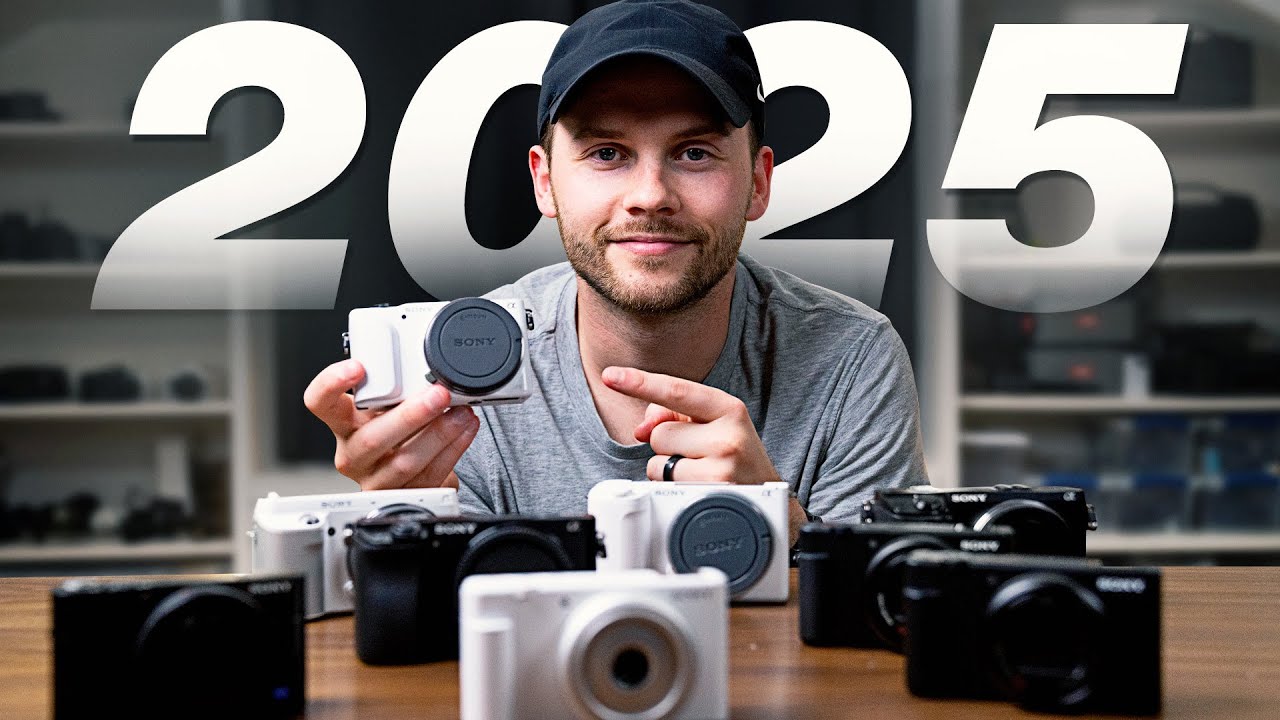
This image is property of i.ytimg.com.
Overview of the Sony Camera Ecosystem for Beginners
Sony’s camera world can feel like an apartment block that keeps adding floors: every few months there’s a new model, a new lens, a new firmware patch, and you, trying to live in it, have to decide which floor to call home. At its heart, Sony built a system around mirrorless bodies and the E-mount — a single bayonet that works across many cameras. That continuity is the gift here: once you learn one Sony body, a lot of your knowledge transfers to others, and many lenses will fit multiple bodies (sometimes with limits). The ecosystem is broad, from tiny compacts meant to live in your pocket to full-frame bodies aimed at professionals, and that breadth is why Sony attracts so many beginners who want room to grow.
Explanation of Sony mirrorless philosophy and E-mount system
Sony’s philosophy with mirrorless has been simple and a little ruthless: push sensor and autofocus tech forward, shrink or remove the mirror box, and make lenses and electronics do the heavy lifting. The E-mount is the physical expression of that philosophy — a wide, short flange distance that allows compact cameras and a wide variety of lenses, native and adapted. Because Sony focused on electronic integration early, you get fast autofocus, rich in-body features, and more straightforward video workflows than many older DSLR systems offered. For you, that means modern bodies feel like smart devices: quick, often intuitive, and designed to work with lenses and accessories from many makers.
Difference between APS-C and full-frame in Sony lineup
APS-C and full-frame are not just labels; they change how you see and work. APS-C sensors are smaller, so lenses behave like they’re slightly longer (crop factor), bodies can be lighter and cheaper, and high-quality results are very achievable for the everyday photographer. Full-frame sensors gather more light, so you get shallower depth of field and generally better low-light performance, but full-frame gear tends to cost more and be a touch bulkier. For beginners, APS-C frequently offers a gentler entry point — less weight, lower-cost lenses, and plenty of capability. If you already know you want to specialize in low-light portraiture or cinematic work, full-frame becomes more attractive as a long-term investment.
Point-and-shoot and compact options in Sony’s Cyber-shot range
Sony’s Cyber-shot line, including the RX100 and ZV-1 families, is where you go when you want something that’s instantly pocketable and capable. These cameras pack surprisingly large sensors into tiny bodies, great autofocus, and easy video features for vlogging or travel. They’re simple to use but still powerful enough that you’ll learn useful habits: framing, exposure, and audio basics. The compromise is fixed lenses and fewer upgrade paths, but if you crave mobility and low friction, a Cyber-shot can be the camera that actually gets used.
Third-party lens and accessory ecosystem for Sony cameras
One of the comforts of choosing Sony is that you aren’t trapped in a closed garden. Sigma and Tamron make excellent lenses for Sony E-mount, often offering fast glass at lower prices than Sony’s own. Samyang/Rokinon and other smaller makers give you manual lenses with character. You’ll also find third-party flashes, microphones, cages, and gimbals designed for Sony bodies. Adapters open the door to older glass, which can be delightful for creative looks. That choice matters because it means you can prioritize budget, optical quality, or special effects without being forced to buy only brand-name glass.
Why Sony is a strong choice for beginner photographers and videographers
Sony is a compelling choice because it’s future-facing: autofocus that reliably tracks eyes, video specs that cover modern needs, and an ecosystem that scales with you. You’ll find bodies that are affordable, robust autofocus that removes much of the intimidation of moving subjects, and compact options that make practice easy. For videographers, Sony’s hybrid approach (photo + video) often means you don’t need two different systems. For beginners, that translates to less friction getting started and many options when you want to improve.
How to Choose the Right Sony Camera in 2025
Choosing a camera is less about the object and more about who you want to be with it. You don’t need the fanciest sensor; you need the right tool for the stories you want to tell.
Clarify your primary use case: vlogging, travel, family photos, or hybrid content
If you mostly shoot handheld video and talk to camera, prioritize a camera with a flip screen, good autofocus, and reliable audio options. Travel photography leans toward lighter bodies and good stabilization. Family photos benefit from fast autofocus and decent low-light performance. If you want hybrid content, pick a balanced body with strong video codecs and a good EVF. Being honest about how you’ll actually use the camera will cut through a lot of choice paralysis.
Sensor size and crop factor implications for field of view and depth of field
Sensor size affects how wide or shallow your images look. On an APS-C body, a 35mm lens will behave more like a 52mm equivalent, meaning tighter framing than on full-frame. That’s useful if you want longer-looking lenses for portraits without paying for fast, big-glass on full-frame. Full-frame gives you shallower depth of field for the same aperture and focal length, which helps with that creamy background look. Think of sensor size as a creative tool rather than merely a spec.
Resolution and video specs to consider for future-proofing
Resolution matters for how large you can crop and how much detail you keep, but more megapixels mean larger files and potentially more noise management demands. For video, 4K is the baseline now; consider high-bitrate codecs, internal recording limits, and frame-rate flexibility if you want slow motion. If you expect to work with color grading or need long recording times, prioritize better internal codecs and heat management. Future-proofing is about balancing today’s needs with likely demands a year or two from now.
Autofocus systems and eye/subject detection: what beginners need
Autofocus is the unsung beginner’s ally. Eye and subject detection remove a lot of worry: you frame, the camera finds the subject, and you concentrate on expression and composition. Look for cameras with reliable continuous AF, configurable AF areas, and low-light AF performance. For video, smooth transitions and minimal hunting are key. As a beginner, you’ll be grateful for autofocus that just works, because it lets you make images instead of fighting tech.
In-body image stabilization versus lens stabilization and when it matters
In-body image stabilization (IBIS) steadies every lens you mount, which is great for run-and-gun shooting and low-light handheld work. Lens stabilization (OSS) is often better for telephoto lenses and can complement IBIS. If you plan to shoot handheld video or use slow shutter speeds without a tripod, prioritize IBIS. If you mostly use stabilized zooms or will rely on gimbals for video, lens stabilization might be enough.
Ergonomics, menu complexity, and ease of use for new shooters
A camera that fits your hands and doesn’t make you dig through menus will be used more. Sony menus have improved but can still feel layered; think about control layouts, presence of a top LCD, grip size, and customization. Try cameras in person if you can. If a body feels awkward, you’ll fight it. If it feels like it belongs in your hands, you’ll learn faster.
Battery life and spare battery considerations
Mirrorless bodies are hungry. Plan for at least one spare battery if you intend to shoot a whole day. Certain Sony bodies have better endurance; some models support external power via USB-C for long shoots. Battery habits matter: charge a couple of batteries before outings and keep them warm in cold weather. This small planning step prevents most shoot-day headaches.
Budget planning and how to prioritize features for your needs
Set a budget and then prioritize: if video is your main focus, spend more on a body with strong video specs and a good microphone input; if stills are primary, prioritize sensor size and lenses. Lenses, accessories, and learning resources are part of the budget too. Buying a cheaper body and a better lens often outperforms the reverse. Decide what you’ll keep long-term and allocate accordingly.
Top Recommended Sony Cameras for Beginners (2025 Picks)
You don’t have to chase every new release. Here are practical, widely recommended types of bodies and why they make sense for beginners in 2025.
Entry-level mirrorless picks and why they’re beginner-friendly
Entry-level mirrorless bodies from Sony’s APS-C line are light, affordable, and forgiving. They offer decent autofocus, compact kit lenses, and straightforward controls. You’ll find models with flip screens and useful presets that get you shooting right away. They’re good teachers: they do enough to be useful now and leave room for upgrades later.
Compact vlogging-focused models and their advantages
Vlogging models like Sony’s small ZV-series and Cyber-shot compacts are built for creators: front-facing screens, quick autofocus, and simplified audio workflows. They remove friction — you can vlog on the subway without feeling like you’re hauling a studio. If portability, ease, and quick setup are priorities, these are excellent.
Affordable used models that still offer great performance
Used Sony bodies from recent generations — a6000-series, early a7 models — can be bargains. Many still have excellent sensors and autofocus and can be had at large discounts. Buying used means you can afford a better lens or a mic. Inspect condition and shutter counts, but don’t dismiss older bodies; they often punch above their age.
Best hybrid models offering strong stills and video balance
For hybrid shooters, mid-range full-frame bodies provide excellent autofocus, internal 4K recording, and good ergonomics. These bodies are comfortable as a long-term home because they balance high-quality stills with pro-level video tools. They’re more expensive, but they let you fish in both ponds.
Best value full-frame for beginners who want a long-term body
If you want full-frame as a long-term platform, pick a body that emphasizes usability and lens compatibility rather than chasing the highest megapixel count. A well-rounded full-frame that balances autofocus, IBIS, and video features gives you room to grow without feeling like you must replace your entire kit every year.
Budget Tier: $100 Options and Ultra-Budget Alternatives
If you have $100 to spend, you’re not buying a new Sony body, but you can still learn.
What to realistically expect at the very low end
At this price, expect older compact cameras, possibly broken accessories, or simple tripods. You’ll get a device that teaches framing, basic exposure, and composition. Don’t expect fast autofocus or stellar low-light results — instead, use it as a practice tool.
Used compact cameras worth considering and where to find them
Older Cyber-shot compacts and first-generation mirrorless bodies sometimes fall into this bracket used. Look for cameras that power on, with screens that aren’t dead. If the shutter is worn, it might still be fine for practice. Local secondhand shops and community marketplaces are where you’ll often find these.
Refurbished or older Sony models that can be adapters for learning
Older Sony NEX or early a6000-series bodies are learning platforms when you pair them with a basic kit lens. They show you what interchangeable-lens systems can do without costing much. They also let you experiment with manual lenses via adapters if you’re curious about character and bokeh.
Smartphone vs ultra-budget camera trade-offs for beginners
If your phone takes decent pictures, it may beat a $100 camera in convenience and image quality. Use a phone until you reach a point where an interchangeable-lens system or dedicated compact solves a problem your phone can’t — optical zoom, low-light bokeh, or better manual controls.
Accessory priorities if you buy on a tight budget
Spend budget on spare batteries, a reliable memory card, and a simple tripod. A basic microphone for video can dramatically improve results if you’re recording voice. Prioritize tools that let you practice more and minimize frustration.
Budget Tier: $300 Options and Secondhand Finds
At $300 you can get into older mirrorless bodies or decent compacts that actually perform for casual shoots.
Popular used Sony models typically available around this price
You’ll find older a6000-series bodies, early a7 bodies if you look hard, and higher-condition Cyber-shots. These models offer good autofocus, interchangeable lenses (for APS-C), and a real step up from ultra-budget options.
How to inspect a used Sony camera before purchase
Check sensor condition for spots, inspect the screen and viewfinder, test autofocus, count shutter actuations if possible, and check for signs of water damage or sticky dials. Ask to see photos taken recently and test video recording. If buying online, prefer sellers with return policies and clear photos.
Recommended small accessories to pair with a secondhand body
Buy a spare battery (often the cheapest upgrade), a fast memory card, a basic zoom or prime lens, and a small microphone if you plan to record sound. A soft camera bag and lens cleaning kit are also smart.
When it makes sense to save more rather than buy at this tier
If your intended use is semi-professional video or low-light portraiture, saving for a newer body or better lens is smarter than stretching for a worn older camera. Sometimes patience buys you less frustration and longer usefulness.
Where to look for reliable refurb or used listings
Local camera shops that refurbish gear, reputable online marketplaces, and manufacturer refurbished programs are sensible options. Prioritize transparency about condition and return windows.
Budget Tier: $500 Options and Beginner-Friendly Kits
With $500 you start to see solid starter kits that get you shooting seriously.
Hybrid starter kits and what lenses are often bundled
Kits often include a mirrorless body and a standard zoom (like a 16-50mm or 18-55mm). These lenses are useful for learning composition and everyday scenarios. They’re not sexy, but they are versatile and let you practice without worrying about changing glass.
Mirrorless bodies that commonly fall into this range used or on sale
You’ll find newer generation aps-c bodies and sometimes sale-priced entry-level full-frame bodies. These provide better autofocus, more durable builds, and improved EVFs, which makes shooting more pleasurable.
Advantages of buying a kit lens for learning composition and technique
Kit lenses force you to learn composition within limits, which is valuable. They’re light, often stabilized, and cover focal lengths you’ll use most. Mastering a kit lens means you’ll appreciate the jump when you finally buy a fast prime.
Budget microphones, tripods, and memory cards to add first
Spend on a shotgun or lavalier mic for video, a sturdy but light tripod, and a card with good sustained write speed for video. These accessories improve your results more than upgrading the camera body alone.
Comparing lightweight travel vs slightly more capable entry-level bodies
If you travel a lot, choose lightweight. If you plan to do varied content — portraits, low-light events — choose a slightly more capable body with better autofocus and IBIS. Think about what you’ll carry every day and choose accordingly.
Budget Tier: $700 Point-and-Shoot and Compact Vlogging Options
Around $700 you can buy excellent compacts that feel like serious tools.
Sony compact models designed for creators and vloggers
At this level you’ll find higher-tier Cyber-shot models and creator-focused ZV compacts that offer larger sensors, fast lenses, and true one-handed usability. They’re compact yet not compromises: they can be your primary camera for years.
Key features to look for in point-and-shoots for beginners
Look for flip screens, reliable autofocus, good stabilization, microphone input or built-in decent mics, and fast lenses. These features turn a pocket camera into a practical creation device you’ll use frequently.
Pros and cons of a pocketable camera versus interchangeable-lens bodies
Pocketable cameras win on convenience and ease; you’ll bring them everywhere. Interchangeable-lens bodies win on flexibility and image quality potential. Choose the one that fits your daily habits. If you rarely travel light, an ILC (interchangeable-lens camera) might be wasted.
Recommended Sony Cyber-shot and ZV-1 style models
Sony’s higher-end Cyber-shot compacts and the ZV-series are practical choices for creators who value simplicity and portability. They simplify many technical decisions so you can make content rather than fiddle.
Sample use cases: travel vlogging, family videos, everyday carry
Use a compact for travel vlogging where blending in matters; for family videos where you want quick start and ease; for everyday carry when you want to capture moments without planning. These cameras make documentation feel effortless.
Budget Tier: $700 Mirrorless Options and Best Starter Interchangeable-Lens Bodies
If you prefer an interchangeable-lens system this is where the sweet spot begins.
APS-C mirrorless models around this price new or on sale
Around $700 you’ll find mid-spec APS-C bodies either on sale or bundled. They give you excellent autofocus, usable IBIS in some cases, and a robust selection of affordable lenses for growth.
Why APS-C bodies are a strong first interchangeable-lens choice
They balance cost, size, and image quality. Lenses are cheaper and lighter, and you can achieve professional-looking images without the weight and expense of full-frame. For most beginners, APS-C is the best compromise.
Recommended lenses for a beginner kit at this budget
A standard zoom (for versatility) and a fast prime (for portraits and low light) are the two priorities. Even a single good prime teaches you composition and low-light technique quickly.
Autofocus, video frame rates, and microphone input considerations
Ensure your chosen body supports at least 4K video, has reliable AF for video, and offers a mic input if you plan serious vlogging. Higher frame-rate options (60fps+) are useful for smoother motion or slow motion.
Which models offer the best ergonomics for new users
Look for bodies with comfortable grips, fully articulating screens, and easy-to-access controls. The best camera is the one you want to pick up repeatedly.
Budget Tier: $1,000 Options for Serious Beginners
At $1,000 you can buy a body that will truly serve as a long-term creative partner.
Hybrid mirrorless bodies offering advanced autofocus and video features
This price range gets you hybrid bodies with cinema-friendly video, strong AF, in-body stabilization, and more robust construction. They make advanced editing and storytelling feasible without immediately upgrading.
When to choose a stabilized body for handheld shooting
If you shoot handheld often, especially for run-and-gun video or low-light photography, a stabilized body is invaluable. IBIS reduces the need for gimbals and makes more shots usable.
Lens upgrade pathways at this level to improve low-light and portrait work
Invest in a fast prime (e.g., 35mm or 50mm f/1.8 or faster) and a versatile zoom. These lenses deepen your creative options more than splurging on a higher-megapixel body.
Recommended models that deliver an easy upgrade path
Choose bodies that are known for lens compatibility and strong AF; that way, as lenses improve, your system continues to feel modern. These bodies let you upgrade glass rather than replacing your whole kit.
Accessories to invest in for higher-quality video and photo work
Good audio (external mic + recorder), a reliable tripod, ND filters for control of exposure in bright conditions, and editing software will elevate your results significantly.
Conclusion
Buying your first camera is as much about the life you want to live with it as about specs on a sheet. Choose a system that matches your goals, buy at a level that allows for sensible lens upgrades, and prioritize tools that reduce friction so you actually use the camera. Before you buy, test a few bodies in person, check how they feel in your hands, and try to make a small checklist: does it have the screen you need, the battery life you require, the autofocus behavior you trust, and the lenses you want to use?
Your final checklist: match camera to main use case, prefer bodies with reliable AF and usable ergonomics, decide on sensor size for creative needs, budget for lenses and accessories, and buy from sellers who allow returns or offer warranties. Above all, remember that learning matters more than gear upgrades; the best camera is the one you practice with. If you want a starter kit recommendation or help testing bodies in stores, tell me what you plan to shoot and your budget and I’ll suggest a compact set of options and accessories to begin.