
Beginners Camera Buying Guide by Daniel Bryn gives you friendly, hands-on advice to help you pick the right camera in 2025, using real travel and street photography experience from Daniel’s work out of Oslo. You’ll find clear explanations of core concepts like aperture and practical examples from wildlife, city streets, and landscapes to show how gear choices affect your shots.
The guide outlines budget planning, camera types to consider, how to choose a brand, and key features to look for, then walks through several great beginner cameras and a top recommendation with chaptered timestamps for quick navigation. Use the tips on lenses, shooting styles, and fundamentals to match your budget to the camera that will keep you excited to shoot.
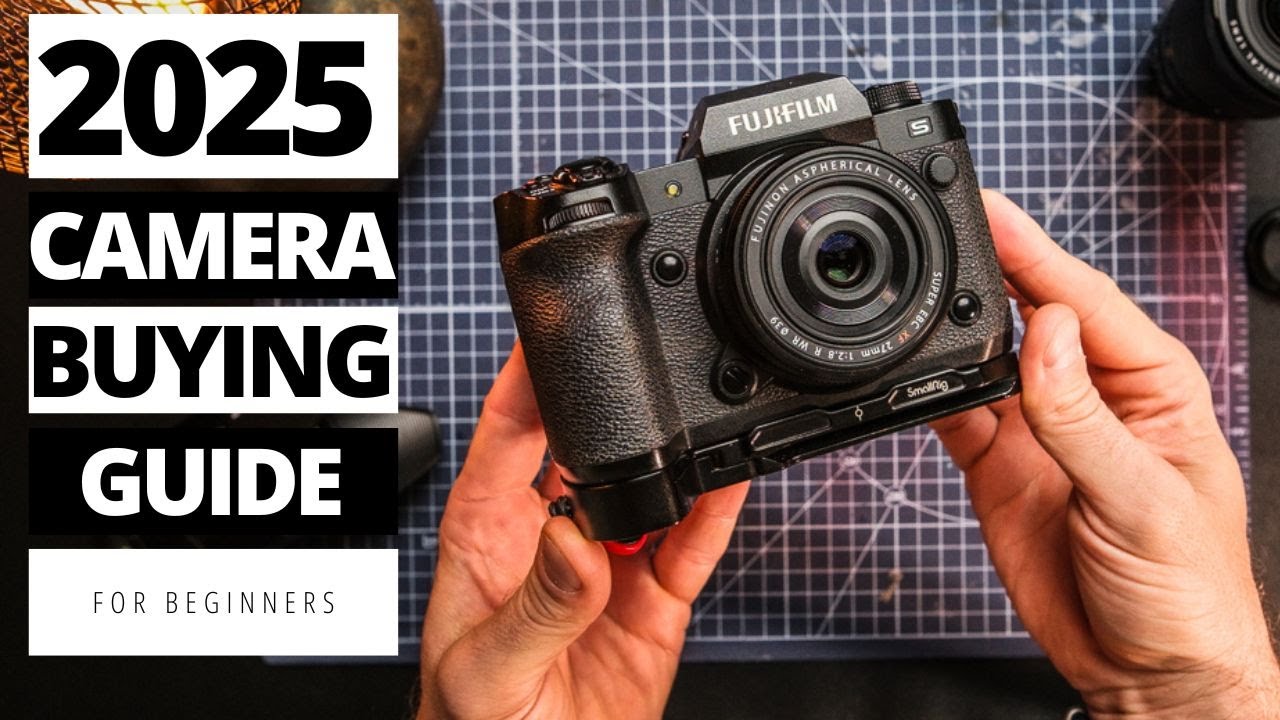
This image is property of i.ytimg.com.
Guide Focus and Who This Is For
This guide is for you if you want to buy your first camera and you like travel, storytelling, and waking up early to catch light that feels like a secret. It assumes you’re curious, maybe a bit impatient, and eager to make pictures that matter. The aim is practical: help you choose a camera that fits your life, not just a spec sheet.
Target audience and skill levels for the guide
You might be a complete beginner, a hobbyist moving beyond a smartphone, or someone who’s watched a few tutorials and now wants gear that won’t hold you back. The guide is useful whether you know aperture from ISO or are learning both at once. It mixes entry-level practicality with room to grow.
Why this guide reflects Daniel Bryn’s travel and street photography perspective
Daniel shoots on the road, often alone, preferring compact, reliable gear that disappears into the moment. You’ll find recommendations shaped by that mindset: cameras that are nimble, unobtrusive, and capable of capturing fleeting street life or a vast landscape without demanding a studio setup. His choices reflect living and working out of a backpack.
What you can expect to learn and achieve after reading
After this guide you’ll understand budget realities, the trade-offs between sensor sizes, which camera types suit travel and street work, and how to plan lens purchases. You’ll be able to pick one camera with confidence, buy sensible accessories, and begin shooting with a clear path for future upgrades.
How the 2025 camera market affects beginner choices
By 2025 the market is broad: mirrorless dominance, solid budget options, and smartphones that keep improving. That means you can get very capable gear for less money, but you’ll need to choose based on use rather than hype. Firmware updates, small-body performance, and hybrid video/photo features shape sensible beginner purchases more than raw megapixels.
Setting Your Budget
Choosing a budget is where you stop dreaming about every spec and start making practical choices. A realistic budget helps you buy a system you can actually grow with, instead of chasing the next model and feeling perpetually unsatisfied.
Why a realistic budget matters more than brand prestige
Brand prestige won’t teach you composition or timing. A sensible budget ensures you get a usable camera, at least one good lens, and a few accessories that will genuinely improve your shooting. You’ll be happier with a modest system you use daily than an expensive body that sits unused because you couldn’t afford a lens.
Common price bands and what to expect in each
Under $600 usually gets you compact cameras or entry-level mirrorless kits; expect limitations in autofocus and low-light. $600–$1200 opens up serious beginner mirrorless bodies and better lenses. $1200–$2000 brings mid-tier bodies and very capable lenses for travel and street. Above that you enter enthusiast territory with more specialized glass.
Hidden costs beyond the camera body such as lenses and accessories
Remember memory cards, spare batteries, a bag, filters, and a decent lens. Lenses often cost more than the body and last longer; batteries and cards matter on travel days; a modest travel tripod and a cleaning kit will save you grief. These extras quickly add several hundred dollars.
How to prioritize spending: body vs lens vs accessories
Spend more on lenses than on the body if you can; a good lens improves image quality more than incremental body upgrades. Buy at least one versatile prime or a quality zoom. Prioritize a spare battery and a reliable memory card next. Accessories like a protective bag and a simple tripod are useful but can be upgraded later.
Saving strategies, student discounts, and when to wait for sales
Look for seasonal sales, refurbished gear from trusted sellers, and manufacturer student discounts if you qualify. Buying last year’s model often gives you most of the performance at a discount. If a new camera is due for announcement, waiting a few weeks can yield price drops that make a big difference.
Camera Types to Consider
There are many camera types and each has a character. Choose the one that fits your typical day: long hikes, tight city streets, or a mix of both. Your choice should match how you want to carry and use it.
Mirrorless systems and their advantages for beginners
Mirrorless cameras are compact, fast, and often have excellent autofocus and video features. They suit travel and street well because they’re lighter and quieter. Electronic viewfinders show exposure in real time, which speeds learning. For beginners, mirrorless offers the most modern balance of size and capability.
DSLRs: are they still relevant for new photographers
DSLRs are less common for beginners today but remain relevant if you find a good used body and lenses. They often have long battery life and robust lens libraries. However, they’re bulkier and lack some mirrorless conveniences like live exposure preview and compact size.
Compact point-and-shoots and advanced compacts for travel
Compact cameras can be brilliant for travel—pocketable, quick, and unobtrusive. Advanced compacts give better sensors and manual controls while still fitting in a coat pocket. They’re great if you want to always have something ready without the commitment of a system.
Bridge cameras and superzooms for versatile reach
Bridge cameras with huge zoom ranges are versatile for travel and wildlife without swapping lenses. They’re heavier than compacts but cheaper than buying multiple lenses. If you want reach and convenience, they’re a sensible option, though image quality and low-light performance are usually compromised compared to interchangeable-lens systems.
Action cameras and rugged options for adventure shooting
Action cameras are perfect for hands-free, wet, or extreme scenarios. They don’t replace a camera for composition but complement your kit when you need durability, wide-angle immersion, or compact recording. For many adventures, pairing an action cam with a main camera covers most needs.
Smartphone photography vs dedicated cameras: when to choose either
Smartphones are incredible for everyday use and social sharing; they’re easy and always with you. But for learning control, longer lenses, better low-light, and the tactile joy of shooting, a dedicated camera wins. Choose a smartphone for convenience and a camera for creativity and quality.
Sensor Size and Image Quality
Sensor size underpins many of the trade-offs you’ll face: cost, depth of field, low-light capability, and the physical size of lenses. Understanding sensors helps you pick a camera that fits your priorities without being seduced by megapixel counts.
How sensor size influences image quality and low-light performance
Larger sensors gather more light, usually giving better detail and cleaner images at high ISO. That’s useful at dawn, dusk, or dim cafés. Smaller sensors can be very capable but tend to show more noise in low light and offer less dynamic range, which matters if you often shoot contrasty scenes.
Full-frame explained and when it’s worth the investment
Full-frame sensors are larger and often deliver superior low-light performance and shallower depth of field. They’re worth it if you want the best image quality, plan to print large, or value shallow focus for portraits. For travel and street, their size and cost may not be necessary unless you want that specific look.
APS-C advantages for cost and reach
APS-C sensors are a pragmatic middle ground: good image quality, smaller bodies, and lenses that are often lighter and cheaper. For travel and street, APS-C gives more reach with the same focal length and typically a better balance of performance versus cost.
Micro Four Thirds strengths and tradeoffs
Micro Four Thirds (MFT) cameras are compact, have an extensive lens ecosystem, and are particularly attractive for travel. They have smaller sensors, so low-light performance and shallow depth of field are more limited, but stabilization and compactness often compensate.
Crop factor, depth of field, and implications for lens choice
Crop factor affects field of view: an APS-C lens behaves like a longer lens on full-frame terms. That gives you extra reach for wildlife but affects depth of field—you’ll get more depth of field for a given aperture compared to full-frame. Consider this when choosing lenses for portrait background blur or distant subjects.
Resolution vs dynamic range and practical considerations
Higher megapixels give more cropping room and detail but demand more storage and often need better lenses. Dynamic range—how well a sensor captures bright highlights and shadow detail—is often more practically important. For beginners, balanced resolution with good dynamic range is preferable to chasing the highest megapixel count.
Lenses and System Flexibility
Lenses arguably matter more than camera bodies. They shape your visual voice, determine how you approach a scene, and are the long-term investment that defines a system’s usefulness.
Understanding kit lenses and their limits
Kit lenses are versatile and cost-effective, great for learning focal lengths and basic composition. They usually have variable apertures and modest low-light ability. They’re fine to start with, but you’ll likely want a faster prime or a sharper zoom when you find the types of images you love.
Prime lenses versus zoom lenses: when to pick each
Primes are often sharper, faster in low light, and encourage deliberate composition because they make you move. Zooms are flexible and convenient, especially for travel and street where you can’t change lenses on a crowded street. Choose based on whether you prefer the discipline of a prime or the convenience of a zoom.
Common focal lengths and their uses for beginners
A 35mm (full-frame equivalent) is a classic travel and street focal length—natural and versatile. A 50mm prime is great for portraits and low-light practice. A 24–70 or 18–55 zoom covers wide-to-normal needs well. For wildlife or distant subjects, consider a 70–200 or a superzoom in a bridge camera.
Lens mounts, compatibility, and the importance of ecosystem
Lens mount determines your future lens options. A thriving ecosystem gives you choices from several manufacturers and third-party makers. Think ahead: you don’t want to be stuck in a system with a limited selection of affordable lenses when your needs evolve.
Third-party lens options and quality considerations
Third-party lenses (Sigma, Tamron, and others) can offer excellent performance at lower prices. Quality varies by model, so read reviews and consider warranties. They’re particularly helpful if the manufacturer’s lenses are expensive or limited in focal lengths you need.
Planning a lens purchase path for future growth
Start with one versatile lens and a prime or a better zoom as your next step. Think two-to-three lens setups that cover wide, normal, and short telephoto ranges. Plan purchases over time so each addition fills a real need rather than being an impulse.
Choosing a Brand
Brand choice matters mostly because of the lens ecosystem, support, and how the system feels in your hands. It’s less about a brand being objectively superior and more about fit for your preferences and future plans.
Overview of major brands and their beginner-friendly offerings
Major brands offer beginner-friendly mirrorless bodies and attractive kits. Some emphasize color science and tactile controls; others prioritize autofocus and video. Most have mature ecosystems, so you’ll find lenses and accessories easily for any big brand.
Sony, Canon, Nikon, Fujifilm, Panasonic/OM System — strengths and typical users
Sony excels in autofocus and sensor tech; Canon and Nikon offer broad lens choices and intuitive ergonomics; Fujifilm is loved for color rendering and tactile dials, especially by street and travel shooters; Panasonic and OM System are strong in stabilization and video. Pick the brand that feels right in your hands.
How brand affects lens availability and future upgrades
Buying into a major brand gives you a long-term lens roadmap. Some brands price glass higher than others, but they also offer many native options. Your future upgrades will be easier if the brand has both affordable and higher-end lenses suited to your evolving needs.
After-sales service, firmware updates, and support considerations
Good after-sales service and active firmware updates can extend the life and performance of your camera. Brands that frequently update autofocus or add features via firmware can make an older camera feel newer, which is a real advantage for you as a beginner on a budget.
Resale value and long-term ecosystem stability
Some brands retain value better, which matters if you plan to sell later. Systems with wide adoption and third-party support are less likely to stagnate. If you value flexibility and potential trade-up paths, consider resale and ecosystem stability when choosing.
Why personal preference and handling often trump spec wars
At the end of the day, how a camera feels in your hands and whether you enjoy using it will determine how much you shoot. Specs matter, but if a camera’s ergonomics and user interface make you want to pick it up, that connection will produce more photos than any spec sheet.
Key Features to Look For
You don’t need every feature. Look for the ones that match your shooting style—autofocus and stabilization for moving subjects, good viewfinders and screen for composition, and decent battery life for travel days.
Autofocus system and subject-tracking performance
Reliable autofocus makes photographing strangers in a street or moving wildlife possible without constant misses. Look for systems with face and eye detection, good low-light AF, and responsive tracking. Practical AF performance beats a high pixel count when capturing decisive moments.
In-body image stabilization versus lens stabilization
In-body image stabilization (IBIS) allows you to use more lenses handheld and aids low-light shooting. Lens stabilization helps too and can be more effective in telephoto lenses. IBIS gives versatility across your lens collection, which is especially useful when you travel light.
Electronic viewfinder and screen types, brightness and lag
A bright, low-lag electronic viewfinder (EVF) helps you compose in bright light and shows exposure previews—useful for learning. A tilting or fully articulating screen aids street discretion and vlog-style shooting. Prioritize responsive screens and EVFs if you shoot outdoors or in dynamic scenes.
Burst shooting speed and buffer considerations for moving subjects
High burst rates matter for action and decisive street moments, but buffer depth is equally important—if the camera slows after a few frames you’ll miss the sequence. Evaluate sustained burst performance if you expect to shoot fast-moving subjects often.
Video capabilities for hybrid shooters including codecs and frame rates
If you plan to shoot video, check 4K options, frame rates for slow motion, and codecs for editing. Some beginner bodies offer impressive video features that let you produce polished content without extra gear. Balance photo needs with video specs if you’re a hybrid creator.
Connectivity options like Wi-Fi, Bluetooth and remote control
Wireless connectivity helps you transfer images quickly, control the camera remotely, or use GPS tagging. These features are handy for travel and social sharing. Ensure the app experience is smooth, because clunky connectivity can be more frustrating than having none.
Durability features: weather sealing and build quality
Weather sealing isn’t essential for every user but is invaluable if you travel in unpredictable climates. A well-built body will survive more drops, knocks, and rough handling. Consider how much you’ll rely on the camera in the field and choose build quality accordingly.
Battery life and real-world shooting time
Spec figures don’t always reflect real use. Mirrorless bodies can be power hungry, so plan for at least one spare battery. If you travel long days without recharging opportunities, prioritize systems known for better battery life or carry a compact charger.
Great Beginner Cameras for 2025
This section groups practical camera options by strength. You don’t need all of them—pick what fits your budget and the kinds of photos you want to make.
Top mirrorless models recommended for new photographers
For travel and street, consider cameras that balance size, autofocus, and color: a Fujifilm X-T5-like APS-C body for tactile controls and pleasing color, a Sony a7C-style compact full-frame for low-light capability, or an OM System/GH-series for stabilized, versatile bodies if you value video.
Best budget cameras that still deliver reliable results
Budget options now include entry-level APS-C mirrorless and high-end compacts that outperform older mid-tier bodies. Look for cameras that pair well with affordable lenses, offer reliable autofocus, and have decent low-light performance—these give you the tools to learn without overspending.
Compact and travel-friendly choices for backpacking and street work
Advanced compacts and small APS-C mirrorless bodies are ideal for backpacking. They’re easy to carry, unobtrusive in street environments, and often have surprisingly good autofocus and image quality. A lightweight prime and a small bag will get you very far.
Best hybrid photo/video cameras for content creators
If you need video and stills, choose a camera with good AF in both modes, clean 4K capture, and useful codecs. Models that offer in-body stabilization and flip screens make vlogging and on-the-move recording simpler while still producing excellent photos.
Cameras optimized for low light and wildlife reach for beginners
For low light, full-frame bodies with larger sensors are the clear choice. For wildlife reach, APS-C bodies with long telephoto lenses or bridge cameras with large zoom ranges are cost-effective. Consider weight and lens cost when planning wildlife setups.
Recommended kit lens pairings for typical shooting styles
For travel/street: a 23–35mm prime (full-frame equiv), or a 18–55/16–50 kit zoom plus a fast 35mm or 50mm. For hybrid use: a stabilized 24–70 zoom plus a compact prime. For wildlife: a telephoto zoom such as 70–300 or longer, depending on budget.
Top Recommendation by Daniel Bryn
Daniel has a practical, road-tested preference shaped by years of travel, long walks, and street photography in cramped corners of cities. His pick reflects a balance between image quality, weight, and tactile control.
Daniel Bryn’s current top pick and the reasons behind it
Daniel’s top pick is the Fujifilm X-T5 (or an equivalent APS-C body in the same spirit): it’s compact, tactile, has beautiful color straight from the camera, and delivers strong autofocus and image quality without the bulk. It’s a camera that invites you to shoot and keeps up on long travel days.
Who the recommendation is best suited for (travel, street, hybrid, budget)
This pick suits travel and street photographers who value portability and color science; it’s also good for hybrid work if you don’t need cinema-grade codecs. It’s ideal if you want one body that performs well in low light enough for dawn and dusk and remains pleasant to carry all day.
Alternative picks for different priorities or budgets
If you prioritize low-light performance and shallower depth of field, consider a compact full-frame like Sony’s compact options. For strict budgets, look at newer entry-level APS-C bodies or advanced compacts. For maximum reach without swapping glass, a bridge superzoom might suit your needs.
Suggested first lens and accessory bundle to pair with the recommendation
Pair the X-T5 with a 23–35mm equivalent prime (a 35mm equivalent is versatile) and a compact 18–55-style zoom for variety. Add one spare battery, two fast memory cards, a lightweight strap, and a small protective bag. A cleaning kit and a modest travel tripod round out the essentials.
How this choice reflects Daniel Bryn’s shooting style and workflow
This reflects Daniel’s workflow: move light, shoot often, and edit later. He favors gear that disappears into the moment and fosters exploration rather than gear anxiety. The tactile controls and film-like colors help you make decisive images quickly without overthinking settings.
Conclusion
Choosing your first camera is a small, practical act of committing to making pictures. It’s less about owning the best gear and more about choosing tools that make it easy and pleasurable to create.
Recap of the most important considerations when buying a first camera
Prioritize a realistic budget, invest in at least one good lens, choose a system with a healthy ecosystem, and pick a camera that feels good in your hands. Consider sensor size, stabilization, and battery life based on how and where you’ll shoot most.
Final practical advice from Daniel Bryn for new photographers
Daniel would say: Always bring a camera. Buy something you’ll actually carry. Start small, learn to see, and let your needs grow into your gear. Don’t over-invest in specs you won’t use; invest in time and practice instead.
Next steps: choosing one camera, practicing regularly, and expanding thoughtfully
Pick one camera and one lens, go out and shoot every week, and review your images honestly. When you identify what you’re missing—a wider angle, more reach, better low-light—you’ll know the right upgrade. Build slowly and with purpose.
Encouragement to explore, experiment, and always bring a camera
Photography is less about getting everything right and more about showing up, noticing, and making choices that feel true to you. Carry your camera like a companion, experiment, make mistakes, and above all, keep making pictures.